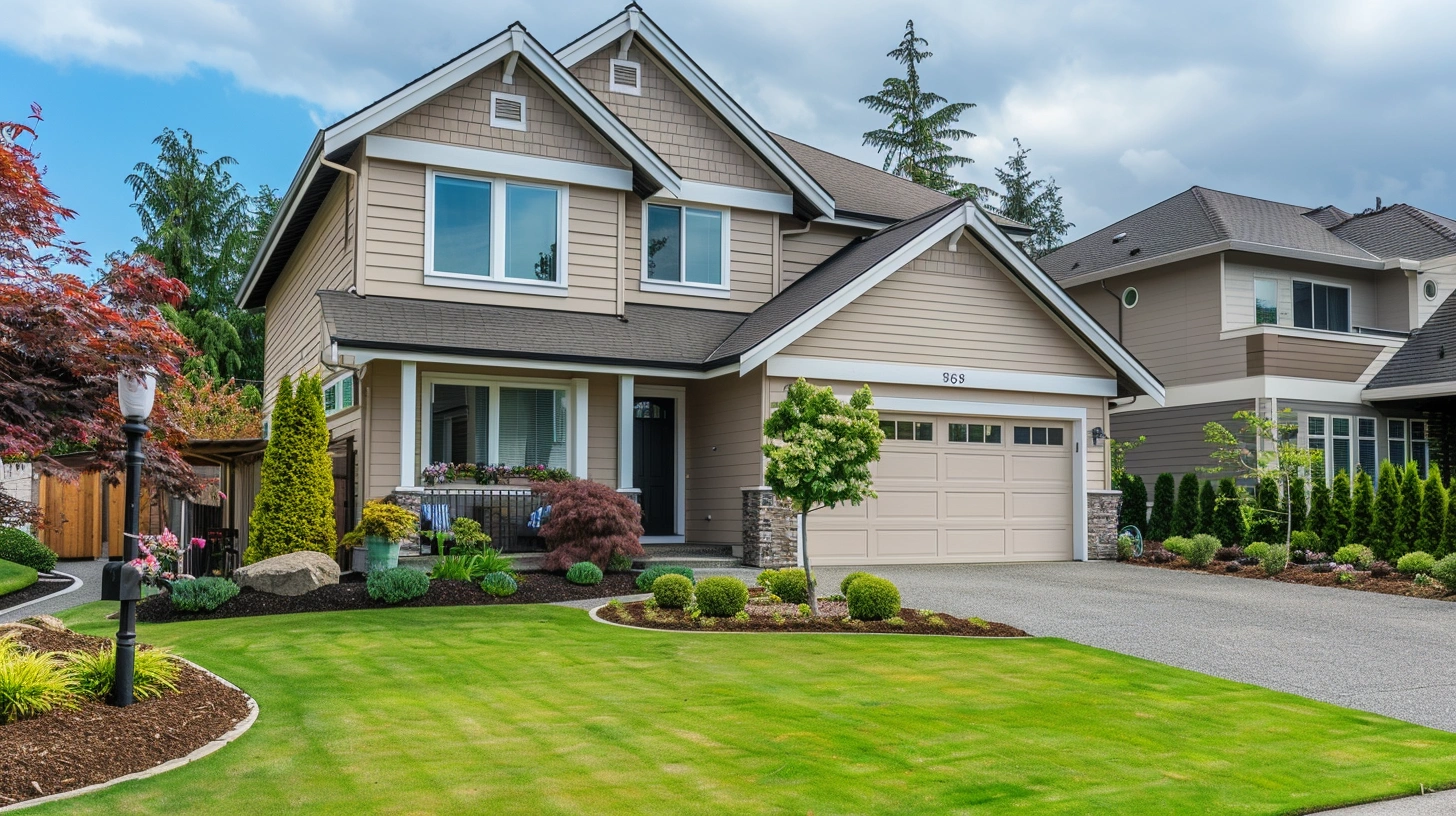
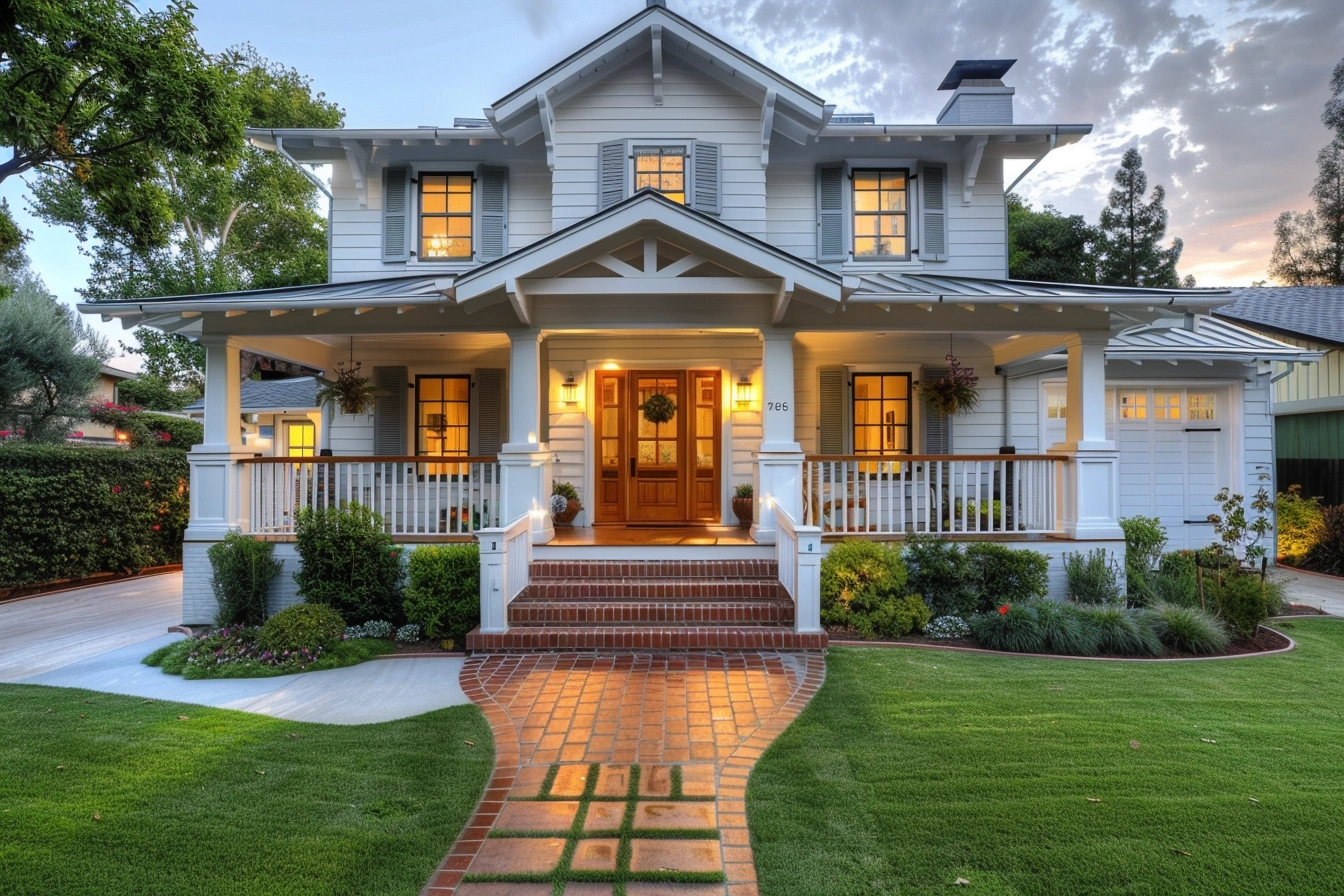
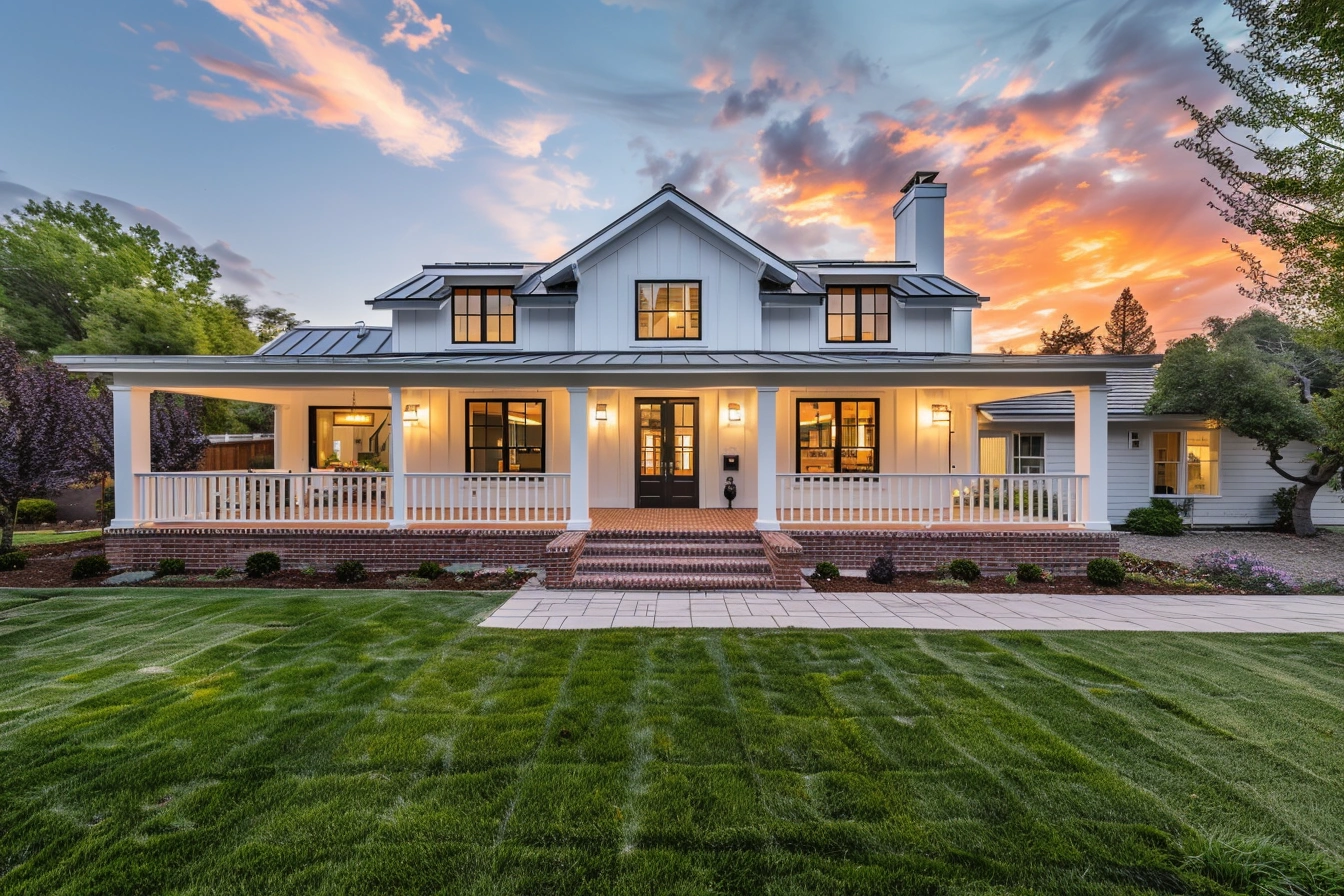
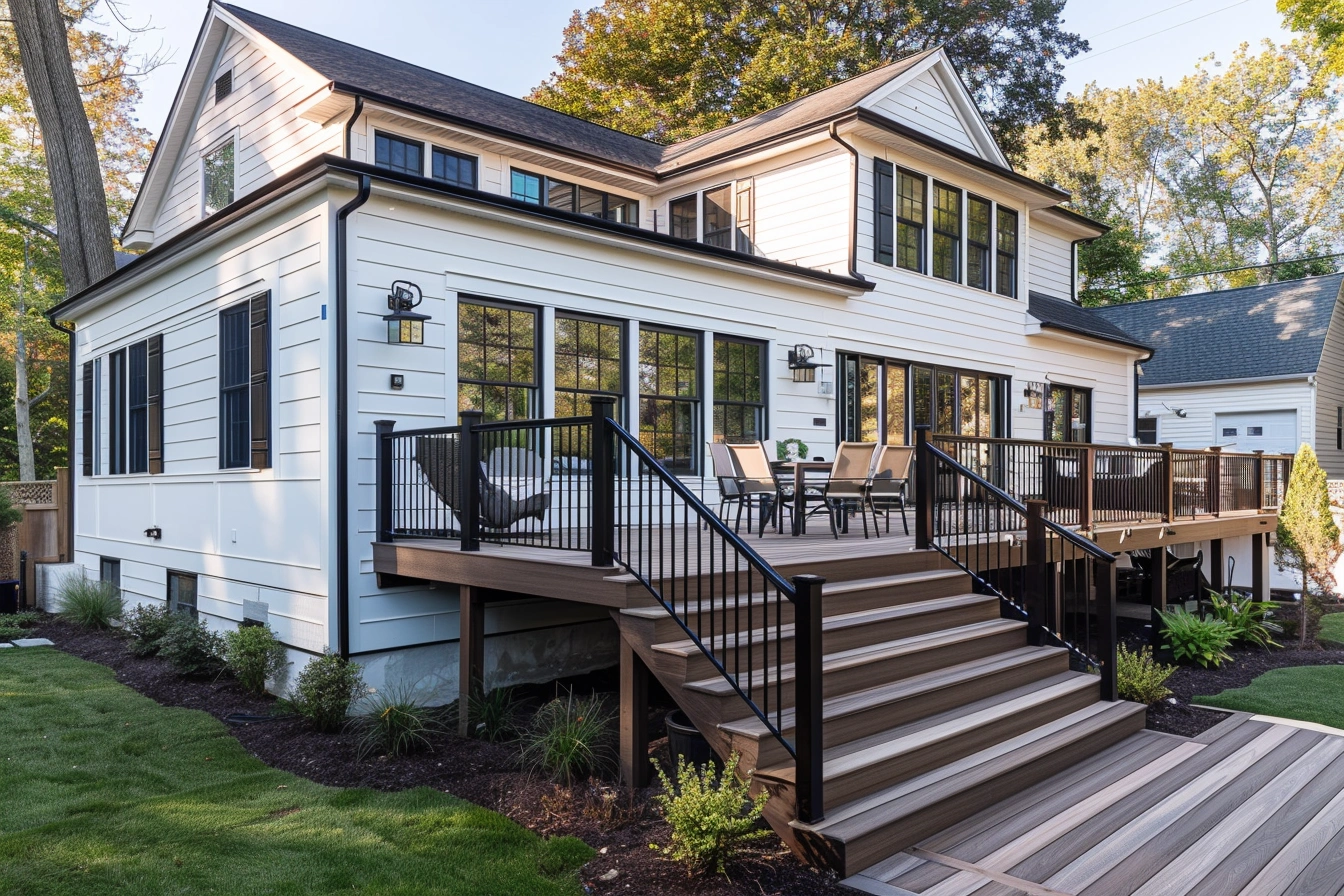
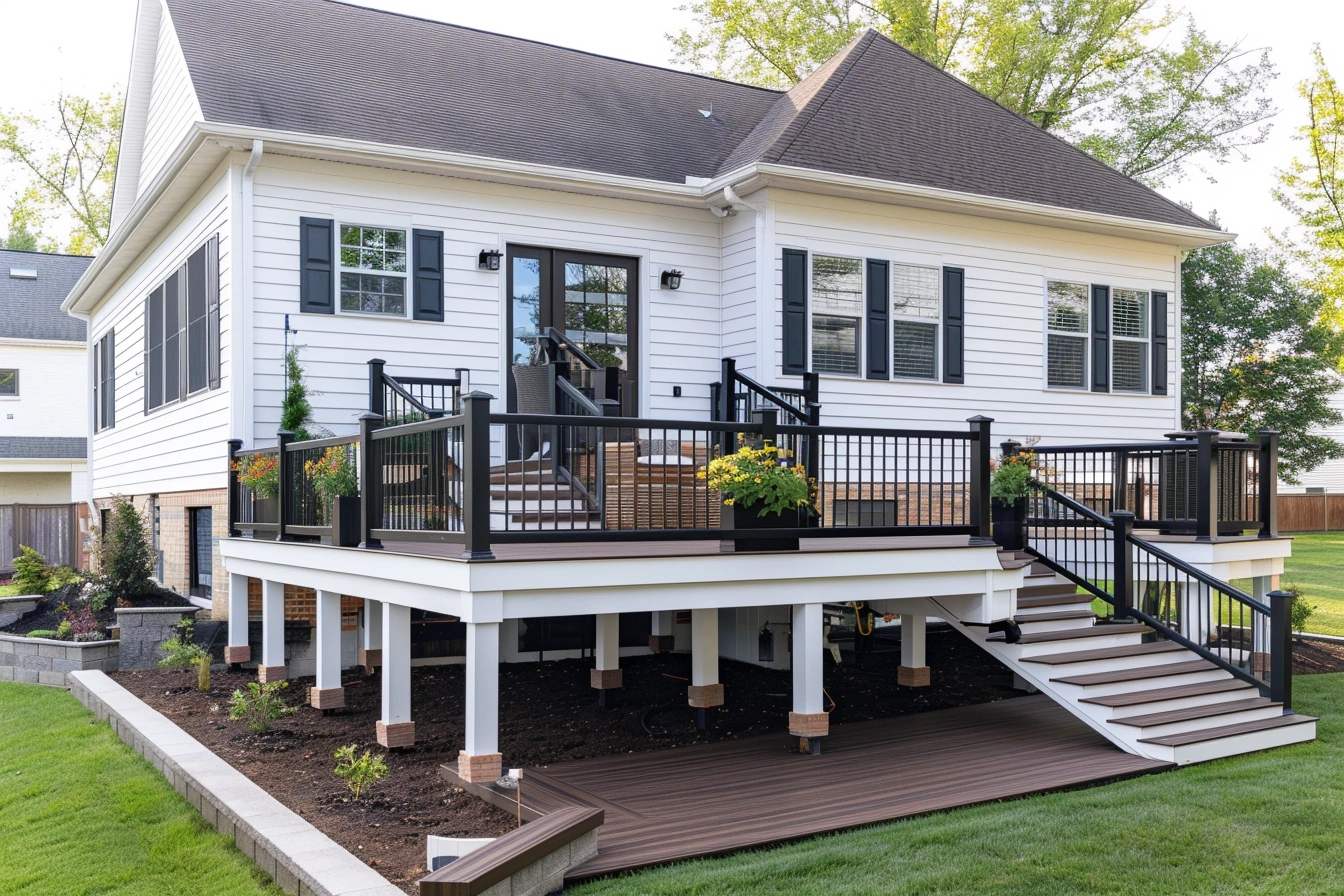
For most Lexington homeowners, there is no single siding material that wins every category. Vinyl is usually the practical choice when lower initial cost and minimal finish maintenance matter most. Fiber cement is a strong fit when you want a substantial painted appearance and resistance to fire, pests and rot. Engineered wood works well when a convincing wood look, lighter panels and design flexibility are priorities. In every case, water management and correct installation matter as much as the name on the box.
Central Kentucky homes experience humid stretches, wind-driven rain, hot sun and winter temperature changes. The best siding system therefore needs more than a durable face: it needs compatible housewrap, correctly integrated flashing, appropriate clearances, sound trim details and room for the material to move as its manufacturer requires.
Originally published November 12, 2025; substantially reviewed and updated September 29, 2026 by Yellowstone Renovation.
Quick comparison for Lexington homes
| Priority | Vinyl siding | Fiber cement | Engineered wood |
|---|---|---|---|
| Lower initial project cost | Usually strongest | Usually higher | Usually mid-to-high |
| Ongoing finish maintenance | Low; no repainting | Painted finish needs inspection and eventual renewal | Factory or field finish needs maintenance |
| Wood-like appearance | Varies by product line | Strong lap, shingle and panel options | Strong wood-grain appearance |
| Impact handling | Panels can crack or dent depending on product and conditions | Rigid but can chip or crack from impact | Often chosen where impact resistance matters |
| Fire performance | Product-specific; vinyl can melt near high heat | Noncombustible fiber-cement products are a key advantage | Wood-based product; follow listed assemblies and clearances |
| Installation sensitivity | Expansion, fastening and locking details matter | Heavy; cutting, fastening, clearances and flashing matter | Gaps, sealed cuts, clearances and flashing matter |
This table is a decision aid, not a substitute for comparing the exact product specifications, finish warranty and installation instructions included in each proposal.
Vinyl siding: the low-maintenance, budget-conscious option
Vinyl is often the first material to consider when a homeowner wants a broad color selection without a recurring paint cycle. It does not absorb water like unfinished wood, and individual panels can sometimes be replaced after localized damage if a close color and profile match remains available.
Its performance depends on allowing normal expansion and contraction. Panels should not be pinned tightly, and accessories around windows, doors and roof intersections have to be detailed so water drains outward. The Polymeric Exterior Products Association installation guidance states that vinyl siding should be installed over a water-resistive barrier; the siding itself is not the wall's only water-control layer.
Vinyl may be the right choice when you value:
- a lower-cost path to a complete exterior refresh;
- no repainting of the siding panels;
- straightforward routine cleaning; and
- many readily available colors and profiles.
Look beyond panel color when comparing bids. Ask which panel thickness and profile are included, how corners and window trim will be handled, whether deteriorated sheathing repairs are excluded or allowed for, and how the crew will integrate flashing with the existing wall. See our vinyl siding installation options for the service scope.
Fiber cement: durable, substantial and design-flexible
Fiber cement is appealing when homeowners want the shadow lines of painted lap siding, shakes or vertical panels with resistance to rot and pests. James Hardie states that its fiber-cement siding products are water and fire resistant and carry a 30-year non-prorated limited warranty; homeowners should still read the current warranty and installation documents for the exact product. Manufacturer warranty coverage depends on its written terms, not a general material description.
The tradeoffs are weight, labor and finish care. Fiber-cement boards require correct storage, cutting, fastening, joint treatment, flashing and clearance from roofs, grade and horizontal surfaces. A painted finish is not maintenance-free. Joints, caulk where specified, field-cut edges and coating condition should be inspected over time.
Fiber cement is a strong candidate when you prioritize:
- a painted, architectural appearance;
- resistance to pests, rot and external fire exposure;
- lap, panel, shingle and board-and-batten design options; and
- a long-term exterior upgrade rather than the lowest opening price.
Read more about fiber-cement siding in Lexington and James Hardie siding installation. For manufacturer information, review the current James Hardie performance and durability guidance.
Engineered wood: convincing wood character with specific detailing needs
Engineered wood siding combines wood strands or fibers with resins, waxes and protective treatments. It is commonly selected for deep wood-grain texture, longer panel lengths and styles such as lap siding, shakes and vertical panels. It is lighter than fiber cement, but “easier to handle” should never be confused with “hard to install incorrectly.”
Edges, field cuts, joints, openings and clearances must follow the product instructions. LP's current SmartSide literature calls for specific clearances and moisture-management details, including integration of flashing with the water-resistive barrier. Its standard limited warranty is prorated over 50 years, with different coverage during the initial period; confirm the exact warranty for the finish and product being quoted rather than relying only on the headline term.
Engineered wood may fit when you want:
- pronounced wood-grain texture;
- lap, shake or board-and-batten combinations;
- a lighter cladding product than fiber cement; and
- factory-finished color options with matching trim.
The estimate should name the manufacturer, product line, finish, trim system and treatment of field cuts. LP publishes SmartSide product literature and installation instructions that can be checked against the proposed scope.
Installation details decide how any siding performs
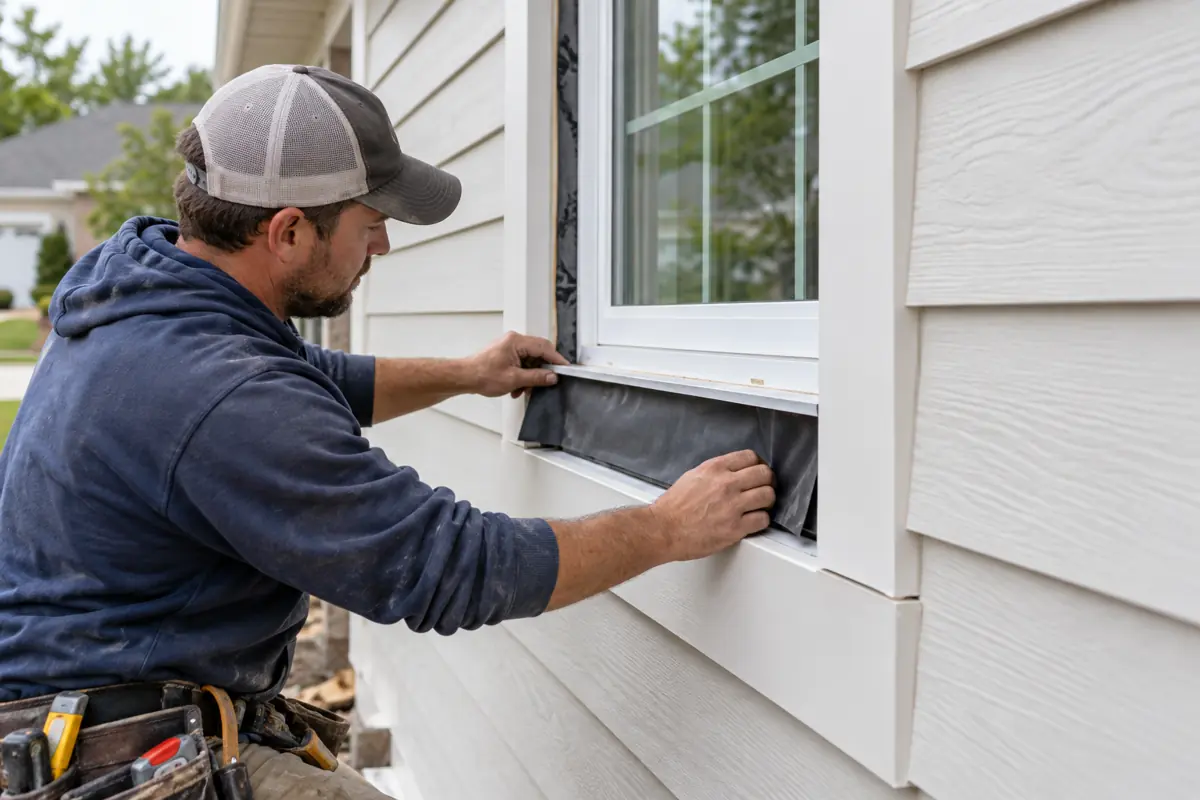
A premium panel installed over a poorly managed wall can still fail. Before selecting a material, have the contractor evaluate the existing siding, sheathing that can be seen, window and door transitions, roof-to-wall intersections, utility penetrations and the distance between siding and grade or hard surfaces.
The written scope should explain:
- what will be removed and what remains;
- which water-resistive barrier and flashing approach will be used;
- how concealed damage will be documented and priced if found;
- which trim, soffit and fascia work is included;
- how manufacturer-required clearances and fasteners will be handled; and
- who registers or supplies the applicable product and finish warranties.
Our guide to siding flashing around windows and doors shows why these transitions deserve attention before the cladding covers them.
Which siding should you choose?
Choose vinyl when controlling the initial budget and avoiding repainting are the leading priorities. Choose fiber cement when a substantial painted look, design range and noncombustible cladding are worth the heavier installation scope. Choose engineered wood when authentic wood texture and flexible profiles are important, provided the installer follows every sealing, clearance and flashing requirement.
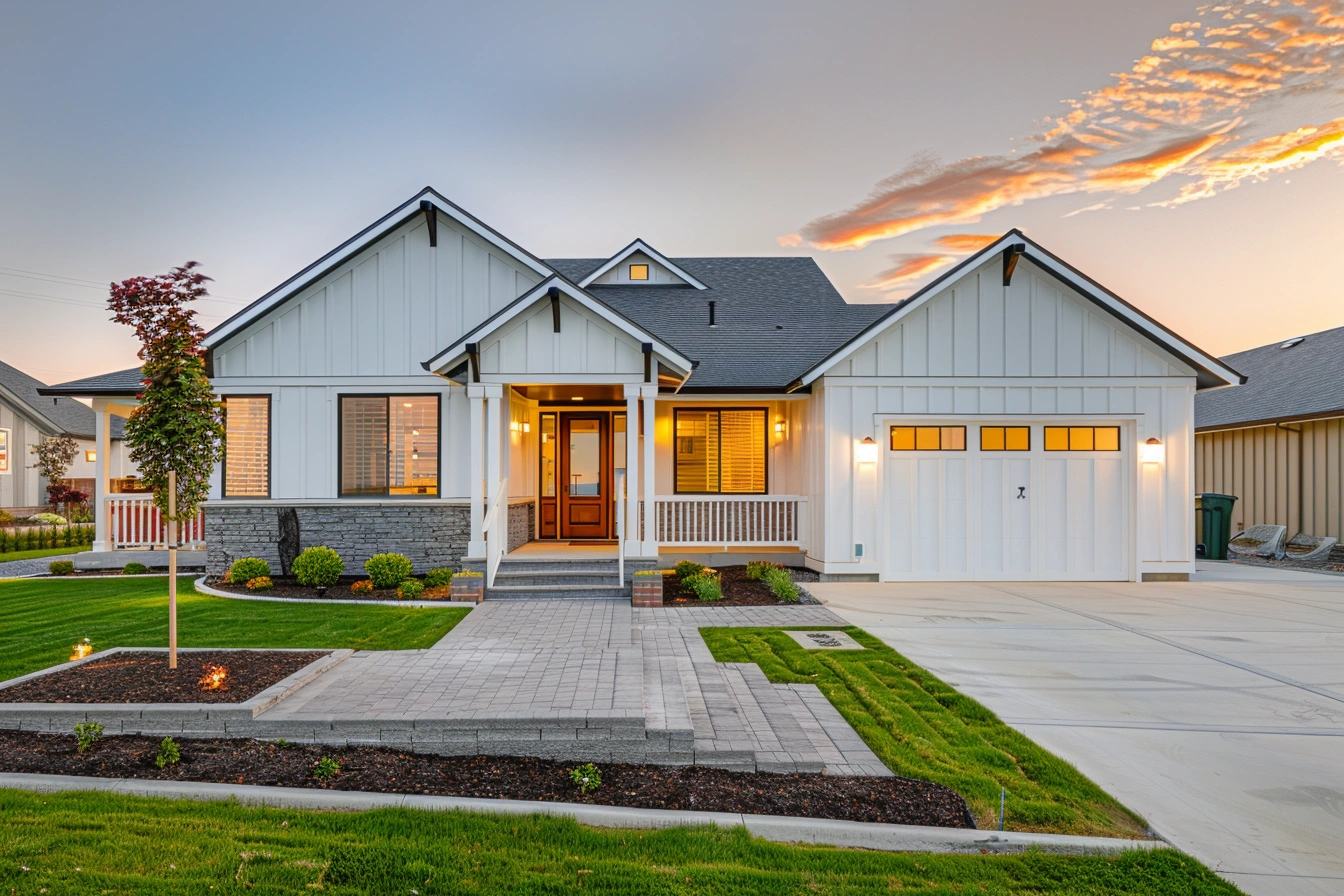
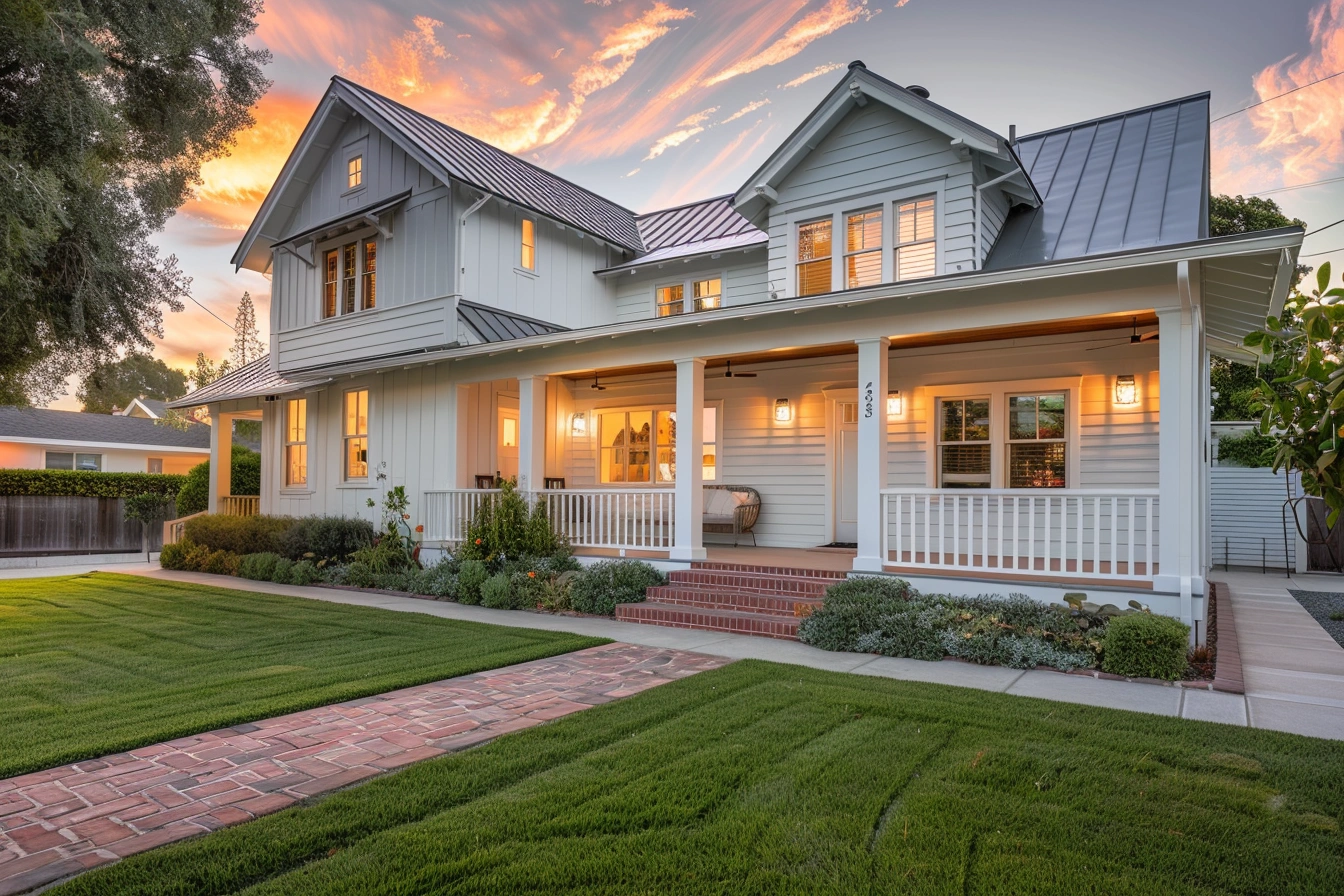
For mixed-material homes, the answer may be more than one product. Lap siding on the main elevations and vertical or shake accents on gables can create depth without forcing the entire house into the most expensive profile. The transition between materials must still have a clear drainage strategy.
Yellowstone Renovation provides siding installation in Lexington and Central Kentucky. Homeowners near our Nicholasville base can also review the Nicholasville service-area page and browse our Project Showcase for examples of exterior work. We will not label a photographed home as a specific project location unless that location is verified.
Frequently asked questions
What is the best siding for Lexington, KY weather?
The best choice depends on budget, appearance and maintenance expectations. Vinyl, fiber cement and engineered wood can all work in Central Kentucky when the wall is prepared correctly and the system follows manufacturer instructions. Good flashing and drainage details are essential with every material.
Is fiber cement maintenance-free?
No. It resists several problems associated with natural wood, but the finish, joints, flashing and clearances still need periodic inspection. Repainting or finish repair may eventually be required.
Can new siding be installed over old siding?
Sometimes, but covering an existing layer can hide sheathing damage, complicate window and door details, and create an uneven substrate. Removal is often the clearer route when the existing wall condition needs to be verified. The correct approach depends on the house and the manufacturer's instructions.
Does siding alone stop water from entering the wall?
No siding should be treated as the only water-control layer. The water-resistive barrier, flashing, penetrations and drainage path behind the cladding work together to manage rain.
Compare siding options at your home
A useful estimate should compare complete systems, not just three panel samples. Request a siding estimate and Yellowstone Renovation can review the existing exterior, discuss vinyl, fiber cement and engineered wood, and build the scope around the house's actual transitions and condition.