7 Signs Your Siding May Need Replacement in Lexington, KY
Siding protects the wall assembly from weather while defining much of a home's exterior appearance. When it begins to fail, the first clue is not always dramatic. Small gaps, repeated caulk repairs, soft trim or loose panels can be early signs that the exterior needs a closer inspection.
Yellowstone Renovation installs exterior siding throughout Central Kentucky. You can review our siding services and Project Showcase before deciding whether your home needs a targeted repair or a larger replacement project.
1. Boards or panels are loose, cracked or warped
A damaged piece of siding does not automatically mean the entire house needs replacement. Local impact damage can often be isolated. But widespread cracking, distortion or loose material on multiple elevations suggests the system is reaching a point where repeated spot repairs may no longer be the best use of money.
Look closely after major wind events and seasonal temperature swings, especially at corners, transitions and areas exposed to strong sun.
2. Paint or finish keeps failing in the same areas
Recurring peeling or finish failure can indicate more than a cosmetic issue. Water may be reaching the wall through failed joints, flashing details or deteriorated material. Repainting without correcting the source can hide the symptom temporarily while the underlying problem continues.
3. Caulk joints are separating
Open joints around windows, doors and siding transitions deserve attention. Exterior sealants do not last forever. If many joints are failing at once, the exterior should be evaluated as a system rather than simply receiving another quick bead of caulk.
4. You find soft trim, swelling or signs of moisture
Soft wood, swelling, staining or persistent damp areas can indicate unwanted moisture. The important question is where the water is entering and whether the sheathing or framing behind the visible siding has been affected.
A good replacement scope should address damaged substrate before new siding covers the wall. New cladding is not a substitute for repairing hidden deterioration.
5. Your siding requires constant repairs
One isolated repair can make sense. Multiple service calls every year are different. If panels are brittle, matching material is difficult to source, or one repair reveals another weak area, full replacement may produce a more predictable result.
6. Window and door transitions are poorly detailed
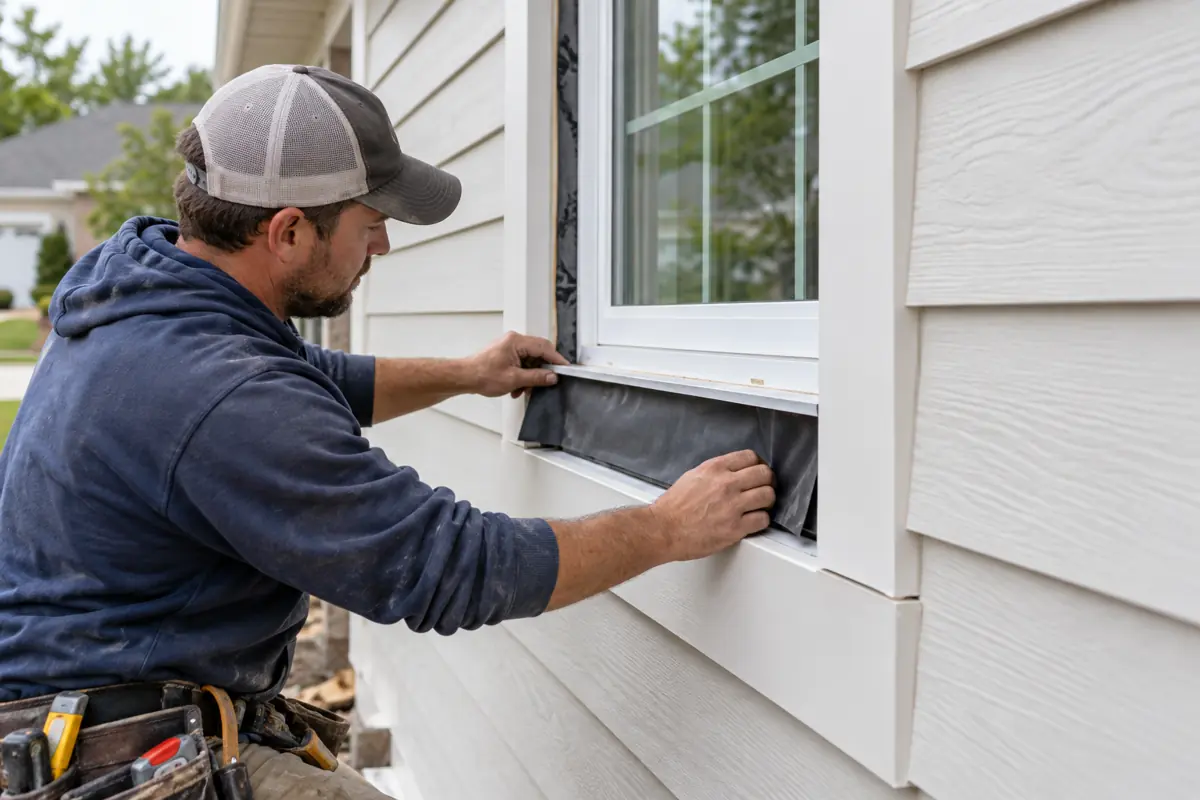
Many exterior leaks happen at transitions rather than in the middle of a wall. Window heads, door openings, roof-to-wall intersections and penetrations need proper water-management details. If you are replacing siding, it is a good time to evaluate these areas before the new exterior is installed.
Homeowners considering windows at the same time can read our full-frame vs. insert window replacement guide. Coordinating both scopes can make exterior detailing easier.
7. You want to change materials and reduce maintenance
Replacement is not always triggered by failure. Some homeowners choose new siding because they want a different architectural look or a lower-maintenance exterior. Fiber-cement products such as James Hardie and modern vinyl systems offer different combinations of appearance, maintenance, trim options and installed cost.
The best choice depends on the home, exposure, desired finish and budget rather than a single material being right for every property.
What should a siding replacement estimate include?
A useful proposal should identify the areas being replaced, demolition, disposal, wall preparation, weather-resistive details, flashing, siding product, trim, soffit/fascia work if included, caulking and finish requirements. Ask how concealed damage will be handled if it is discovered after old siding is removed.
That last point matters because no contractor can responsibly price unseen wall damage as if it is already known. A clear process for documenting and approving additional repairs protects both homeowner and contractor.
Frequently asked questions
Can damaged siding be repaired instead of replaced?
Yes, when damage is localized and compatible replacement material is available. Widespread deterioration or repeated failures may make a larger replacement more practical.
Should windows be replaced before siding?
Not always, but if both projects are planned, coordinating them can simplify flashing and trim details around the openings.
Is fiber cement maintenance-free?
No exterior cladding is literally maintenance-free. Fiber cement reduces some maintenance concerns but still needs correct installation, joint detailing and periodic inspection.
Planning siding replacement in Central Kentucky?
See our siding work and other exterior projects or request an estimate. Yellowstone Renovation can inspect the visible conditions, discuss material options and build a scope around the actual home rather than a generic square-foot number.
When moisture appears near an opening, our siding and flashing guide for windows and doors explains what to inspect.