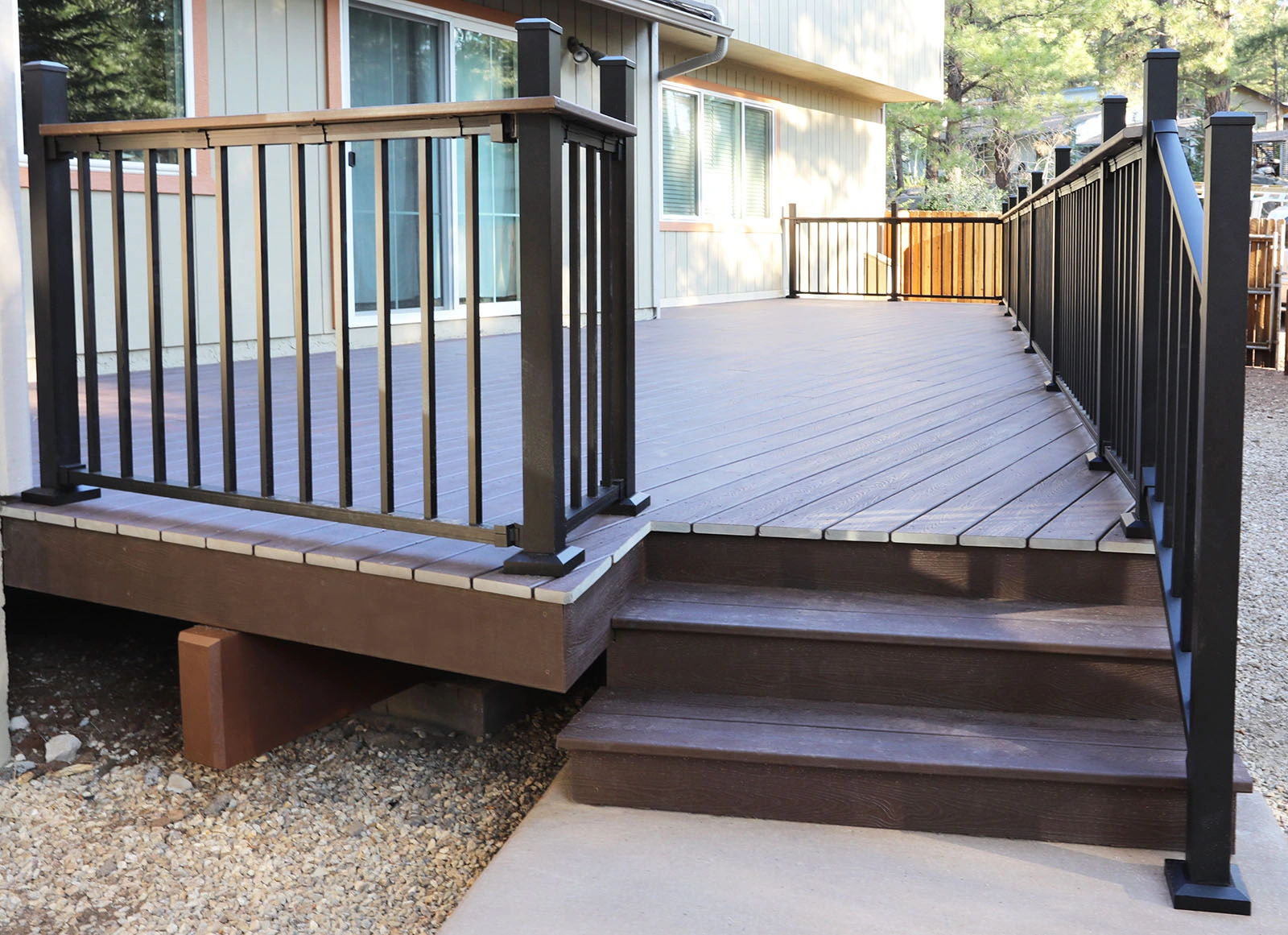
How Long Does a Composite Deck Last?
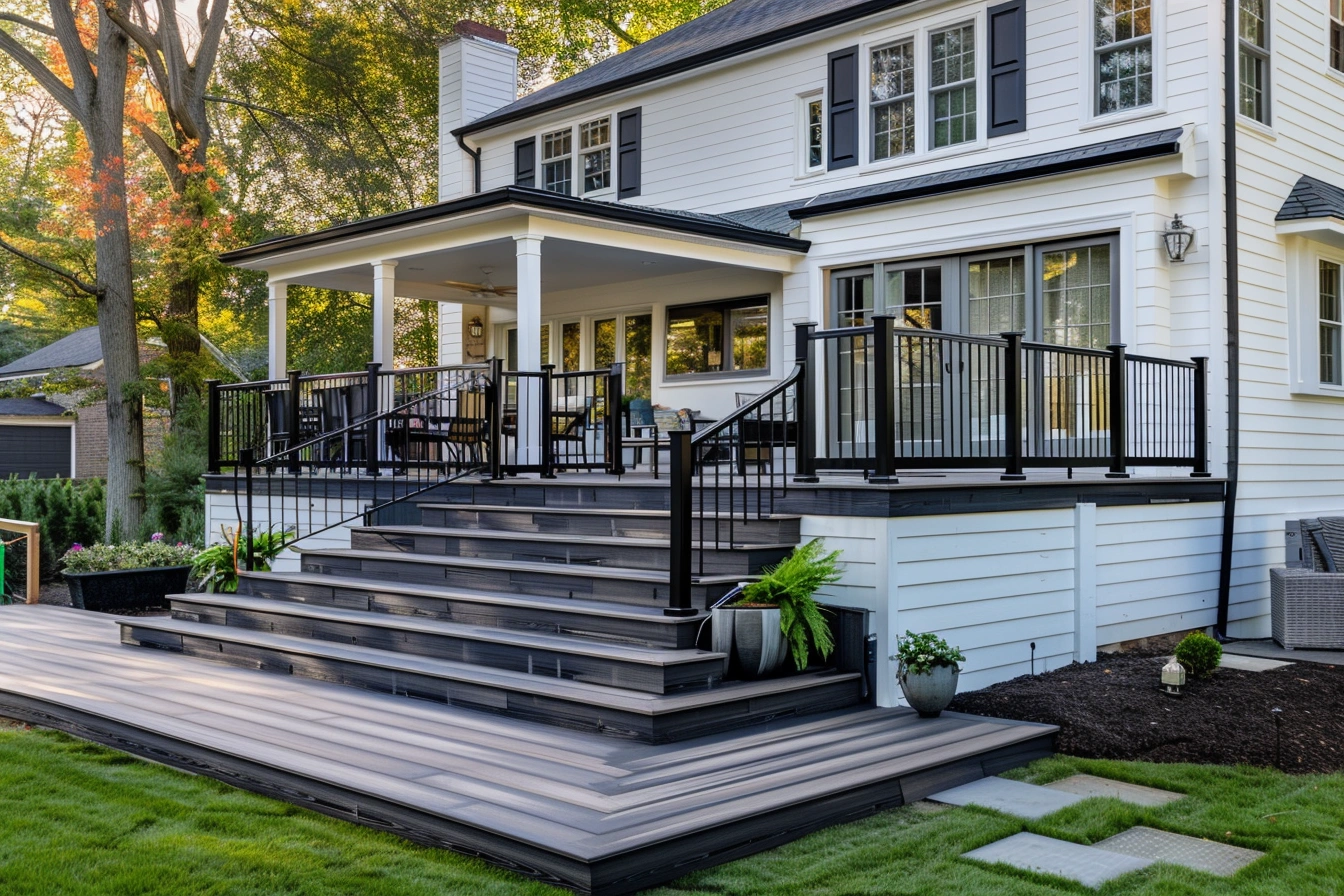
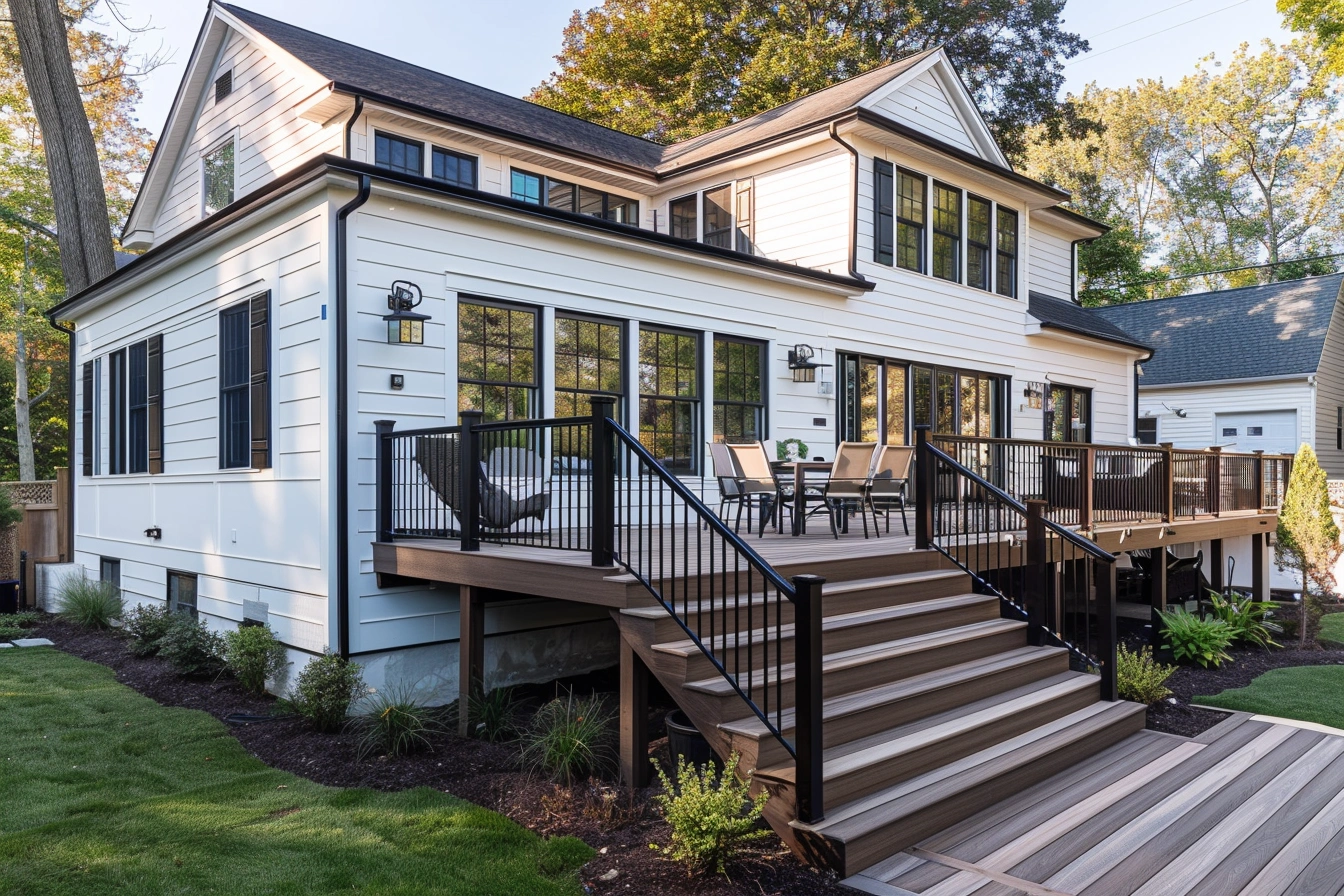
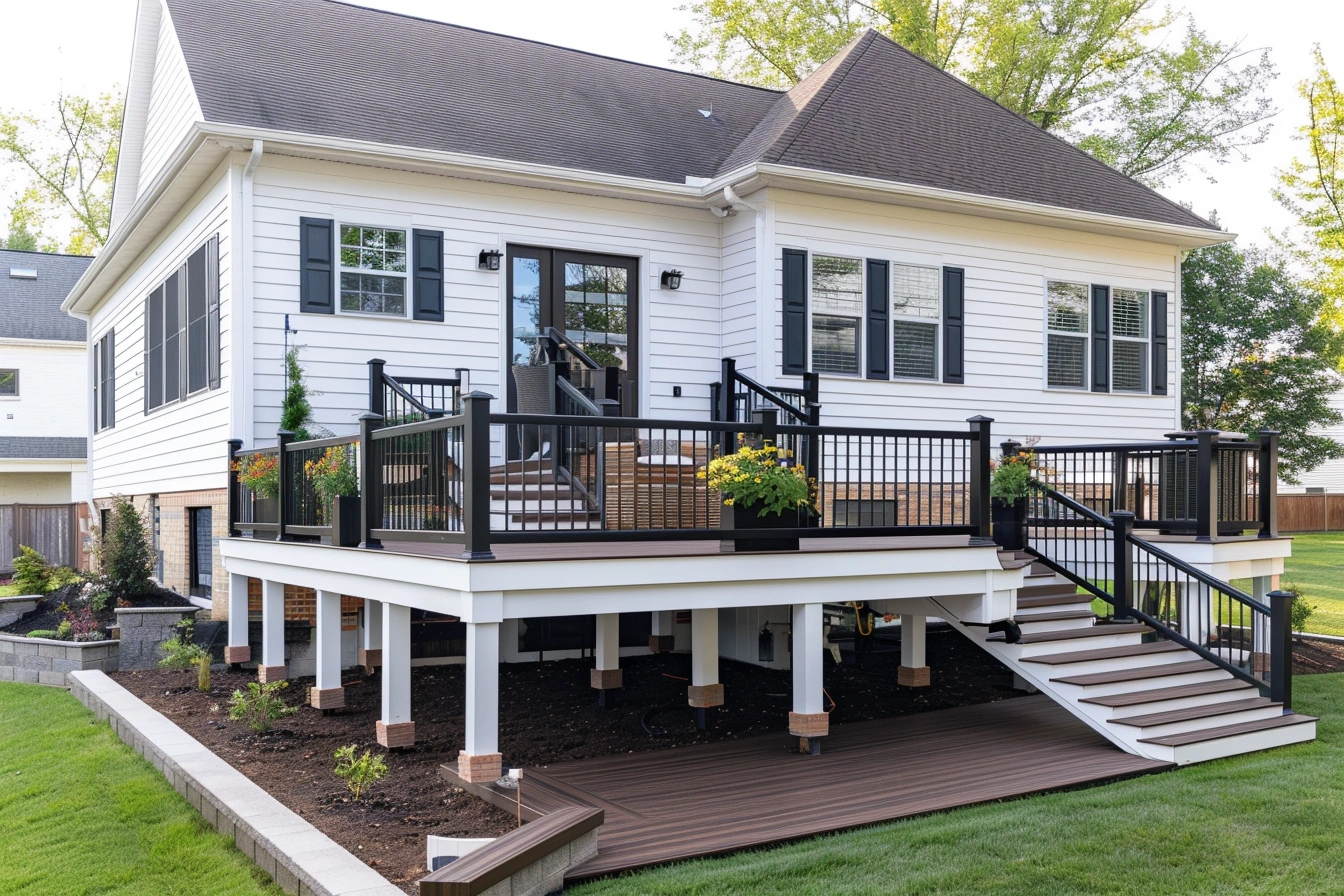
A properly installed composite deck typically lasts 25 to 30 years, and in many cases even longer.
High-quality composite boards from leading manufacturers often come with 25–50 year limited warranties, making them one of the most durable decking materials available today.
But lifespan depends on more than just the product — installation quality and climate play a major role.
Average Lifespan of Composite Decking
| Material Type | Expected Lifespan |
|---|---|
| Pressure-Treated Wood | 10–15 years |
| Hardwood | 20–30 years |
| Composite | 25–30+ years |
| PVC | 30–40+ years |
Compared to traditional wood, composite decking offers double the lifespan with significantly less maintenance.
What Makes Composite Decks Last Longer?
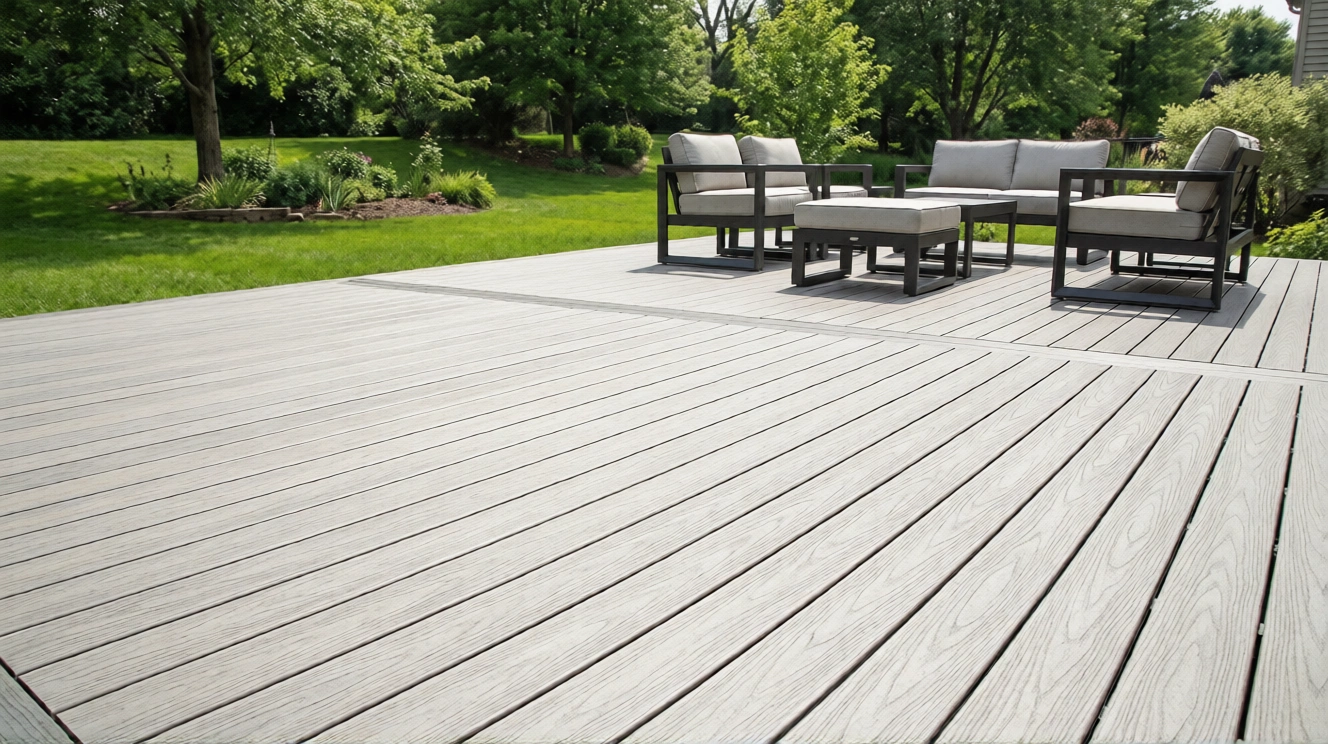
Composite boards are made from a blend of:
- Recycled wood fibers
- Plastic polymers
- Protective outer shell (capped composite)
This combination makes them resistant to:
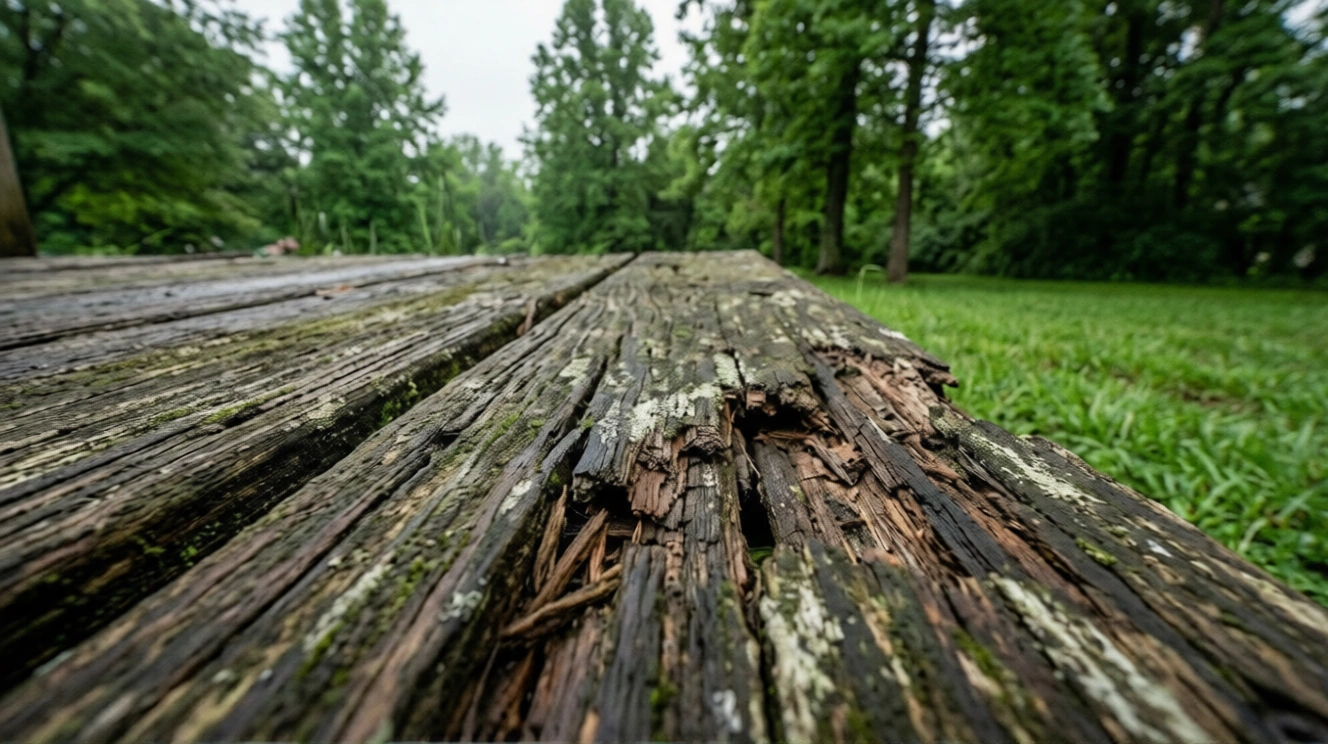
- Rot
- Insect damage
- Warping
- Splitting
- Moisture absorption
Unlike wood, composite does not require sealing, staining, or painting.
Does Climate Affect Composite Deck Lifespan?
Yes — but far less than wood.
In humid climates like Kentucky, wood decks often deteriorate quickly due to moisture and freeze-thaw cycles.
Composite materials are engineered to resist:
- Humidity
- Mold growth
- UV fading
- Temperature expansion
When installed correctly with proper ventilation, composite performs exceptionally well in seasonal climates.
For climate-appropriate deck solutions, explore our
Decking Services
to compare materials built for long-term durability.
Factors That Impact Composite Deck Longevity
1. Installation Quality
Even premium materials can fail if:
- Joist spacing is incorrect
- Boards are installed too tightly
- Ledger flashing is missing
- Drainage is poor
Professional installation ensures proper structural support and airflow.
Work with an experienced
Deck Builder
to protect your investment.
2. Brand & Product Line
Entry-level composite products may fade faster or have thinner protective caps.
Premium capped composite boards:
- Resist scratching
- Maintain color longer
- Offer stronger structural integrity
Choosing quality materials upfront extends lifespan significantly.
3. Maintenance & Care
Composite decks are low-maintenance — not no-maintenance.
To maximize lifespan:
- Wash annually with mild soap and water
- Remove debris between boards
- Avoid metal shovels in winter
- Clean spills promptly
Simple routine care prevents long-term surface damage.
Does Composite Fade or Scratch?
Modern composite boards are engineered with UV inhibitors and durable outer caps.
While minor surface scratches can occur:
- They are usually cosmetic
- They do not compromise structural integrity
- Premium products minimize visibility
Fading is minimal compared to stained wood decks.
Is Composite Worth the Investment?
Although the upfront cost is higher than pressure-treated lumber, long-term savings are significant.
Wood Deck:
- Ongoing staining costs
- Frequent repairs
- Shorter lifespan
Composite Deck:
- No staining
- Minimal repairs
- 25–30+ years of durability
Over time, composite often becomes the more cost-effective option.
Final Verdict
A composite deck is designed to last decades, not years.
With proper installation and routine cleaning, you can expect:
- 25–30 years of performance
- Strong resistance to weather
- Low maintenance requirements
- Consistent appearance
For homeowners planning to stay long-term, composite is one of the smartest outdoor investments available.
If you’re considering upgrading from wood or building new, choosing the right materials and installation team makes all the difference.
Tags: #CompositeDecking #DeckBuilder #OutdoorLiving #DeckInstallation #HomeImprovement