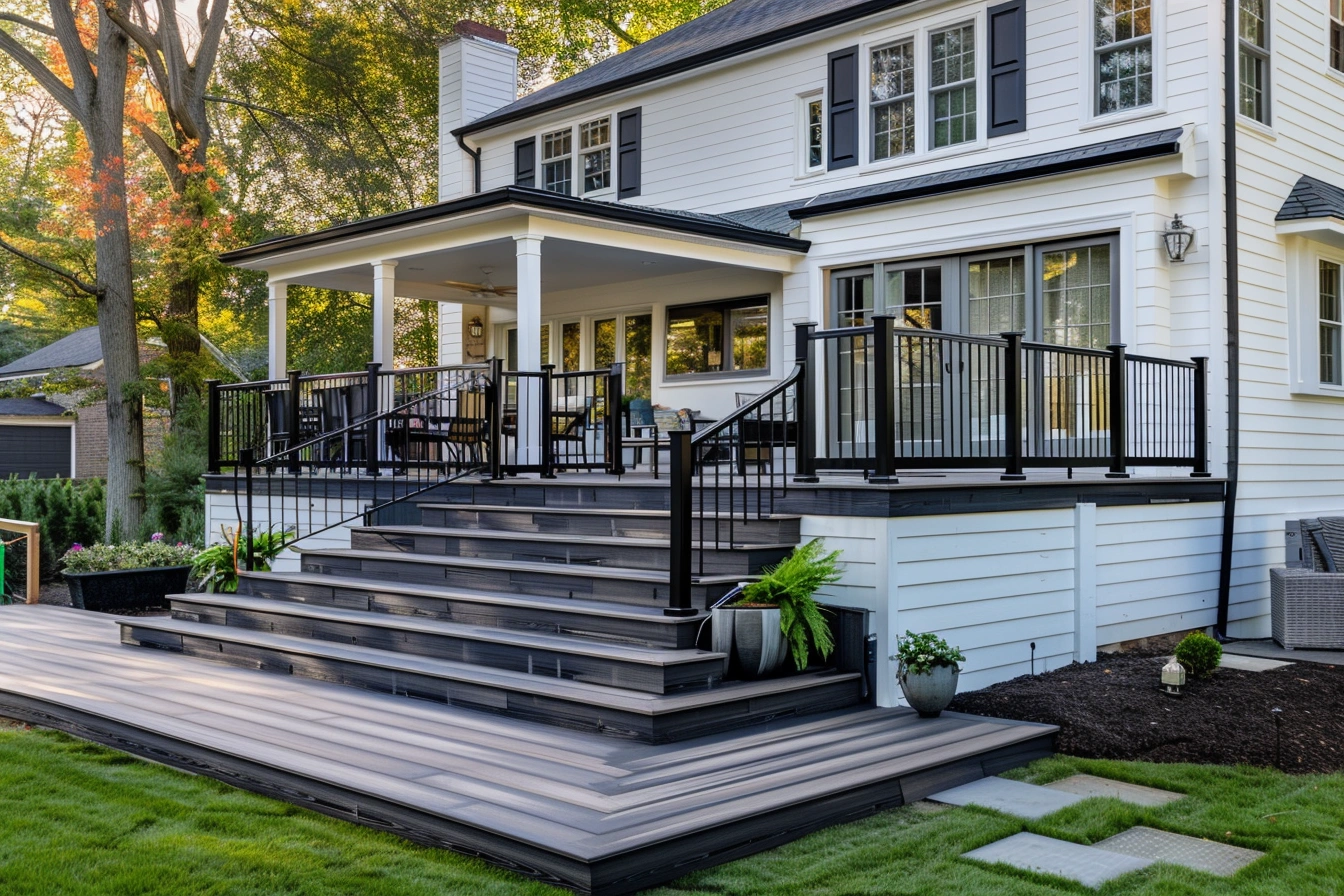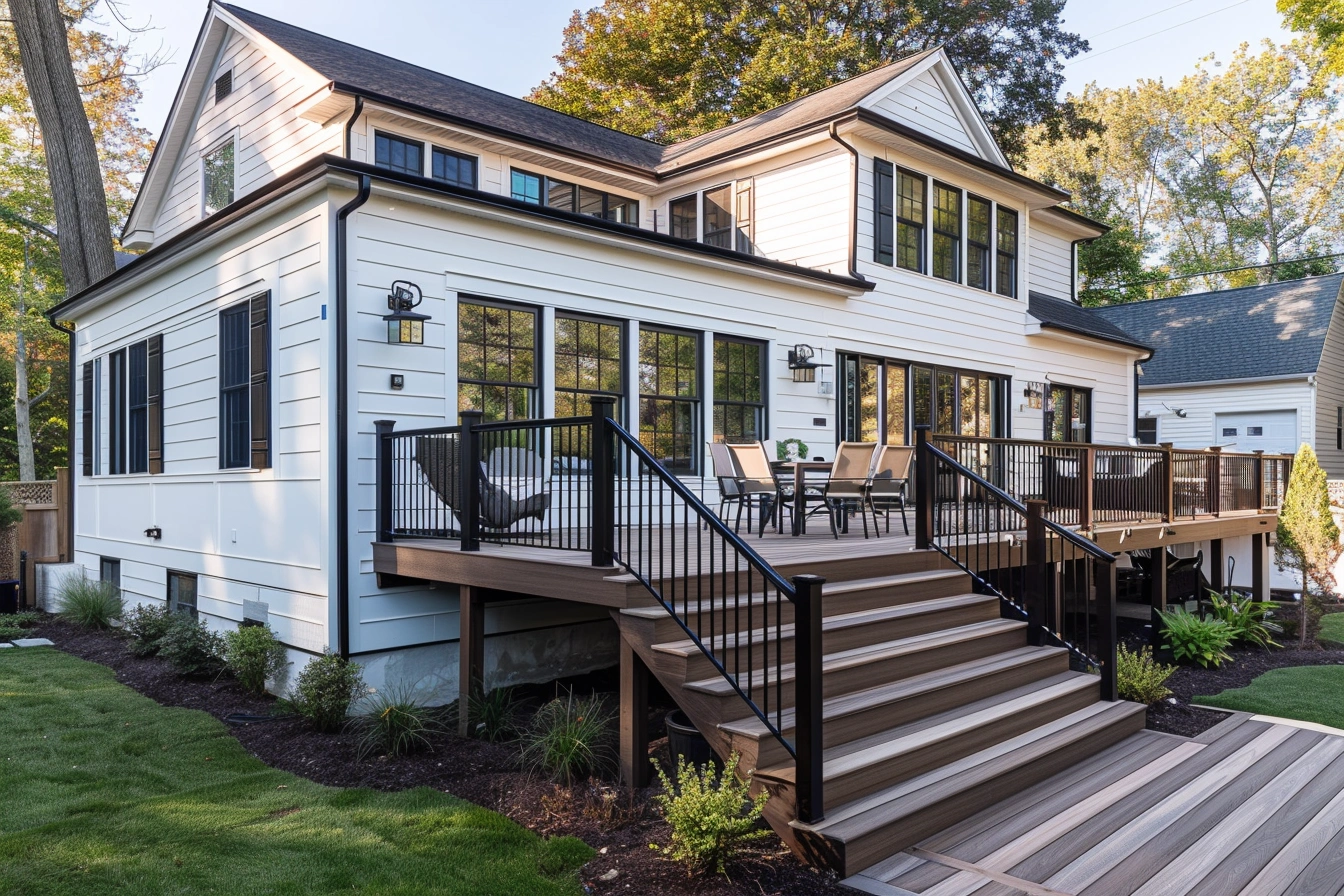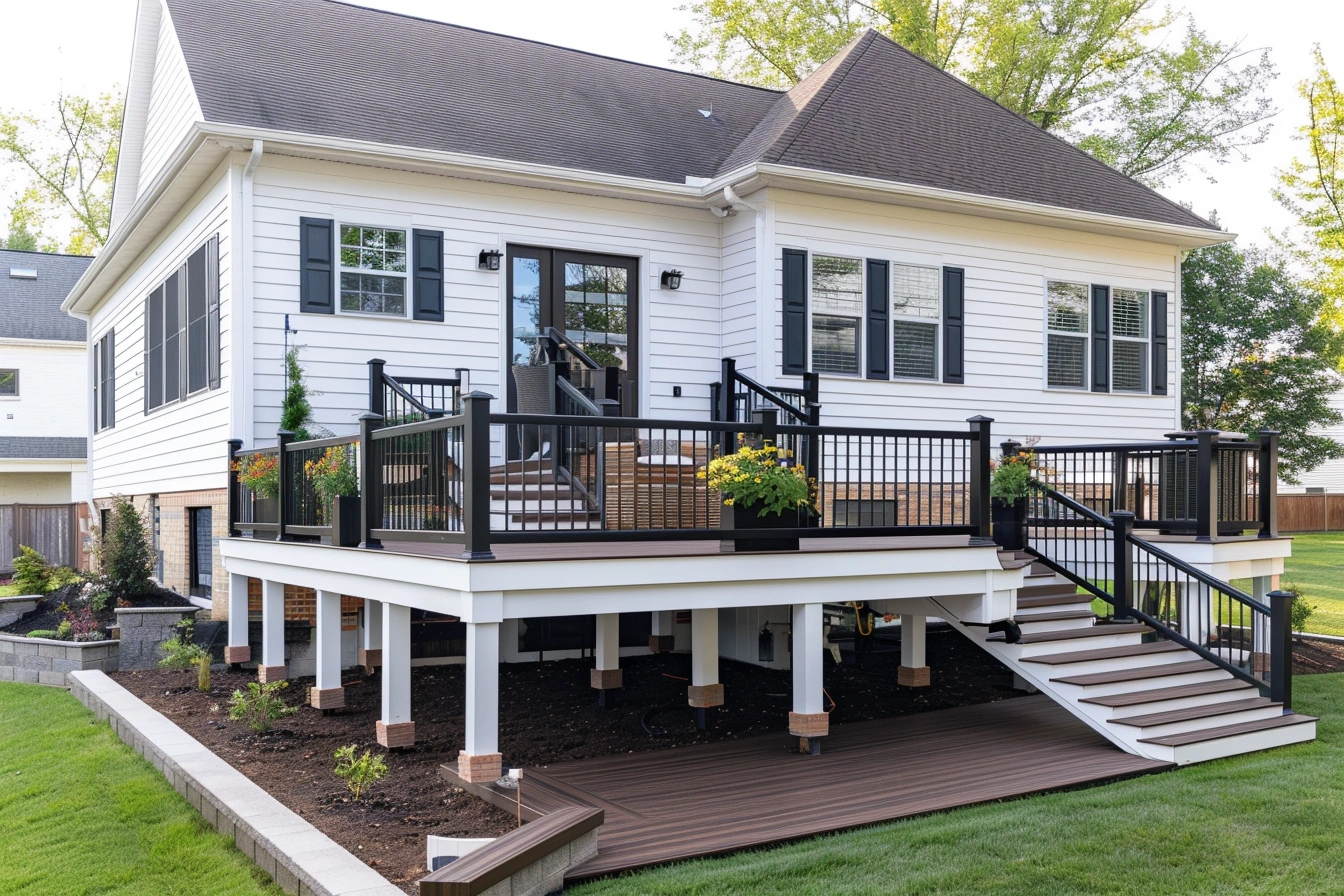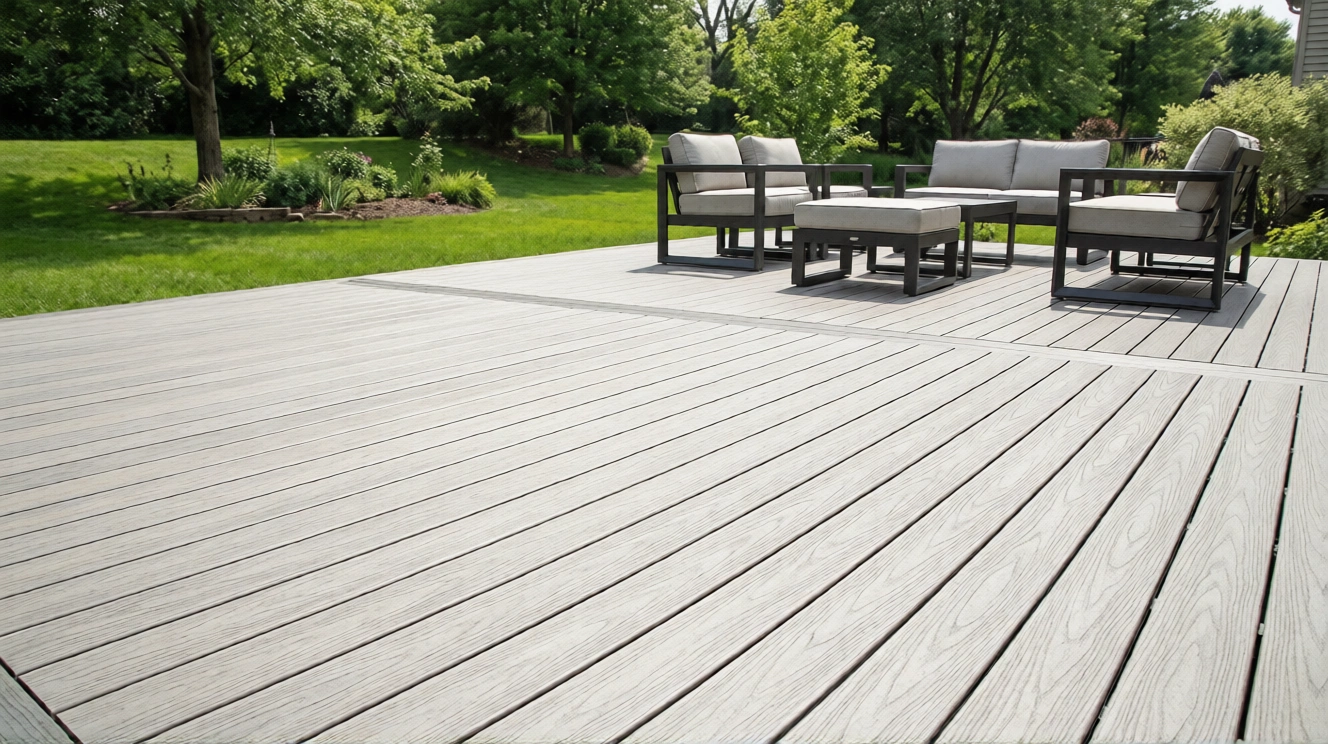
Is Trex Worth It? Honest Review After 10+ Years
For many homeowners, Trex decking is synonymous with composite — but does it live up to its reputation? After over a decade of installing and servicing decks featuring Trex boards in climates like Kentucky, we’re breaking down the real strengths, weaknesses, and long-term value.
What Is Trex Decking?
Trex is one of the largest and most widely recognized manufacturers of composite decking, known for high-performance capped boards made from recycled wood fibers and plastic polymers.
Unlike traditional wood, Trex boards are engineered to resist rot, insects, and moisture — and they come with long-term warranties (often 25–50 years).
But real performance goes beyond manufacturer promises.
Longevity: How Trex Holds Up Over Time
Expected Lifespan
| Deck Material | Typical Lifespan |
|---|---|
| Pressure-Treated Wood | 10–15 years |
| Hardwood | 20–30 years |
| Trex Composite | 25–30+ years |
| PVC Decking | 30–40+ years |
A well-maintained Trex deck installed correctly can easily last 25 years or more — comparable to or exceeding most wood alternatives.
Performance After 10+ Years
1. Rot & Moisture Resistance
Trex excels in damp climates like Kentucky where humidity and rainfall are high.
Because Trex boards:
- Don’t absorb moisture
- Resist fungal decay
- Don’t warp like wood
They hold up significantly better than untreated lumber.
2. Insect & Pest Resistance
Unlike cedar or pressure-treated wood, Trex won’t attract termites or wood-boring insects — a key advantage in humid environments.
3. Structural Stability
Properly installed Trex decks don’t cup, twist, or split over time — issues common with lumber in freeze-thaw climates.
Appearance: How Trex Ages
Trex boards are designed to:
- Resist fading
- Maintain color longer than wood
- Withstand surface wear
That said, over the course of a decade you may notice:
- Light color fading in direct sunlight
- Minor surface scratching from furniture or foot traffic
But these cosmetic changes don’t impact structural integrity and are often minimal on premium capped boards.
Maintenance: What to Expect
One of Trex’s biggest selling points is low maintenance — but it’s not zero maintenance.
Recommended routine care:
- Annual washing with mild soap and water
- Remove debris between boards
- Avoid metal shovels or sharp tools
- Power-wash carefully if needed
Compared to wood (which requires regular staining and sealing), Trex is significantly easier to care for.
Cost vs. Value: Is Trex Worth the Price?
Trex typically costs more upfront than pressure-treated lumber — roughly $8–$14 per square foot (materials only), but the long-term savings add up.
Trex Pros:
- Lower maintenance costs
- Longer lifespan
- Better moisture & pest resistance
- Strong resale value
Lumber Cons:
- Frequent sealing
- Higher repair costs
- Shorter lifespan
- Susceptible to rot & insects
Over 20+ years, composite often costs less per year of service than wood when maintenance and repairs are considered.
Trex vs. Other Composite Brands
While Trex is one of the most popular names, it’s not the only quality composite option.
Comparative factors:
- Cap thickness — thicker caps = better fade & stain resistance
- Color options — some brands offer wider palettes
- Warranty coverage — varies by product line
For a side-by-side breakdown of deck materials and performance, see our
Decking Services Page.
Real Homeowner Feedback (10+ Year Case Studies)
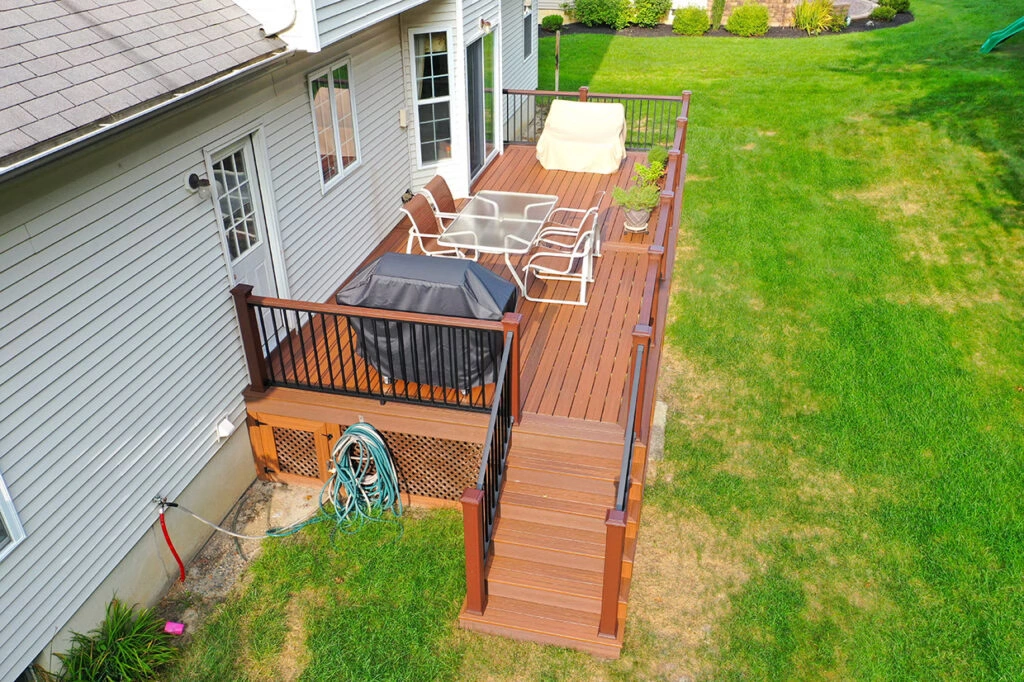
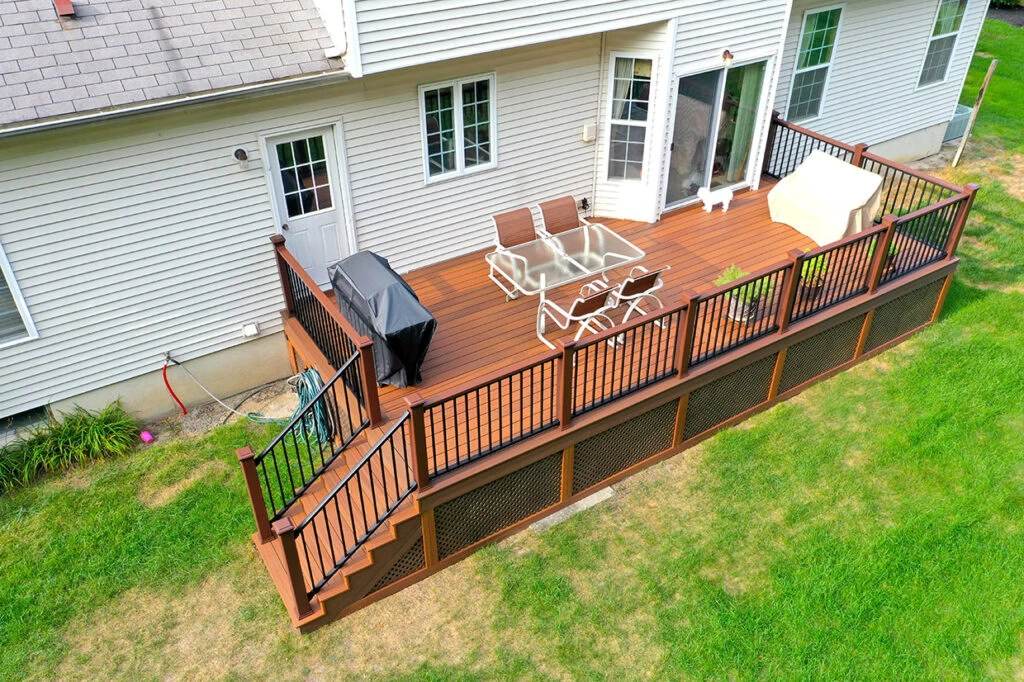
Kentucky composite deck — 12 years old:
• Slight fading in sun-exposed areas
• No rot or warping
• Minimal surface wear after thousands of footsteps
Midwest home with Trex — 10 years:
• Retained structural integrity
• Easy clean-up after heavy pollen seasons
• No insect or moisture issues
These trends match what we see across hundreds of installations — Trex stands up well long-term with proper installation and routine cleaning.
Common Drawbacks (What to Consider)
Even the best products have trade-offs.
Potential negatives:
- Higher upfront cost
- Can get warm under direct sun
- Minor surface scratches possible
For many homeowners, these are acceptable trade-offs for long-term performance.
Final Verdict: Is Trex Worth It?
In most cases — yes.
If your priorities are:
✔ Long lifespan
✔ Minimal maintenance
✔ Rot & pest resistance
✔ Strong resale value
Trex delivers exceptional performance compared to wood — and often outperforms lower-end composite brands.
For homeowners planning to stay in their home long-term, choosing Trex or another premium composite is usually a smart investment.
What to Do Next
Considering a new composite deck or a Trex upgrade?
Start with a professional consultation to:
- Evaluate your yard and sun exposure
- Choose the right board profile and color
- Ensure proper joist spacing & installation
Visit our
Deck Builder Page
to schedule your custom design consultation.
Tags: #TrexDecking #CompositeDecking #DeckReview #OutdoorLiving #HomeImprovement