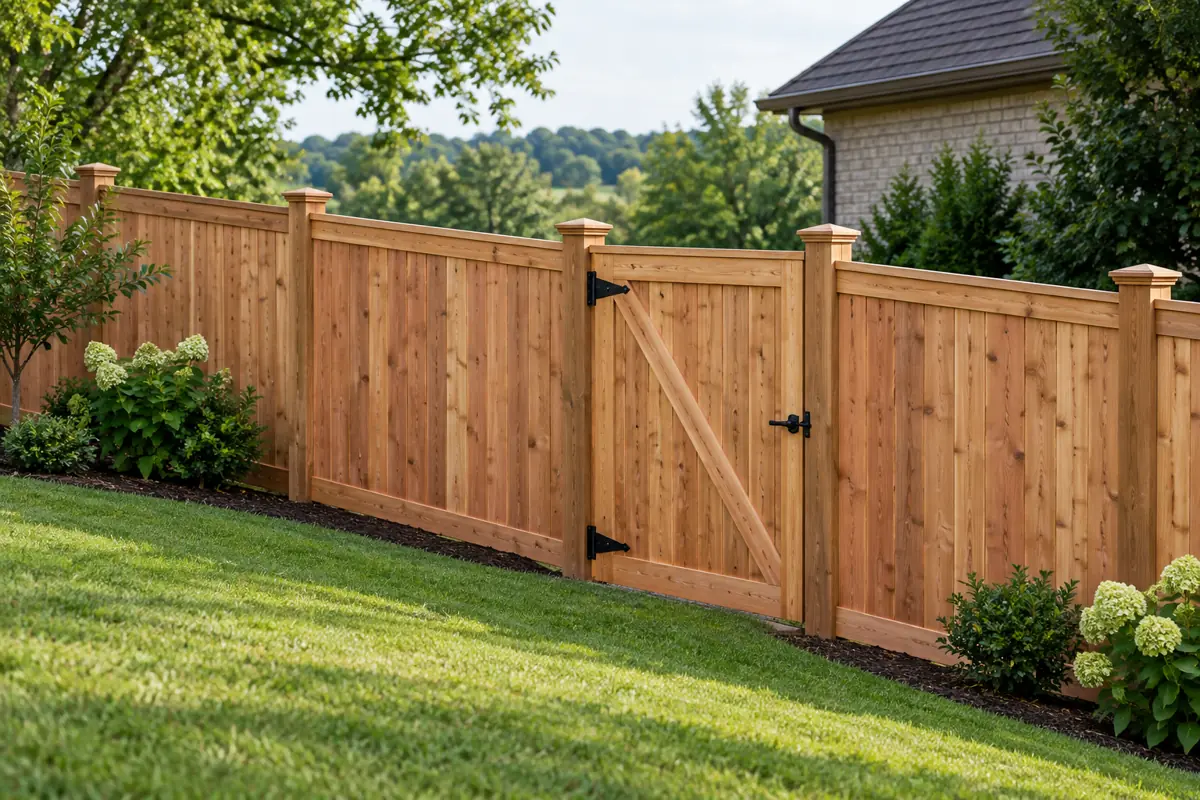
The fence line may be easy to measure, but the gate often decides whether a privacy fence works day to day. On a sloped Lexington yard, a gate that looks fine in a drawing can drag on the high side, leave a large opening on the low side, or block a walkway when it swings.
Before choosing wood or vinyl, walk the route you will use with a mower, wheelbarrow, trash cart, or trailer. The wood-versus-vinyl privacy fence guide covers material tradeoffs; this guide focuses on layout. Yellowstone Renovation's Nicholasville fence project and Frankfort vertical-fence project show two different finished looks.
Place the gate where the route actually goes
Mark the most frequent entry path from the driveway or house. Measure the largest item that must pass through the opening, including handles and clearance to turn. A walk gate sized only for a person may become frustrating when a riding mower or bulky equipment needs access. A double gate changes the posts, hardware, alignment, and price; decide that before posts are laid out.
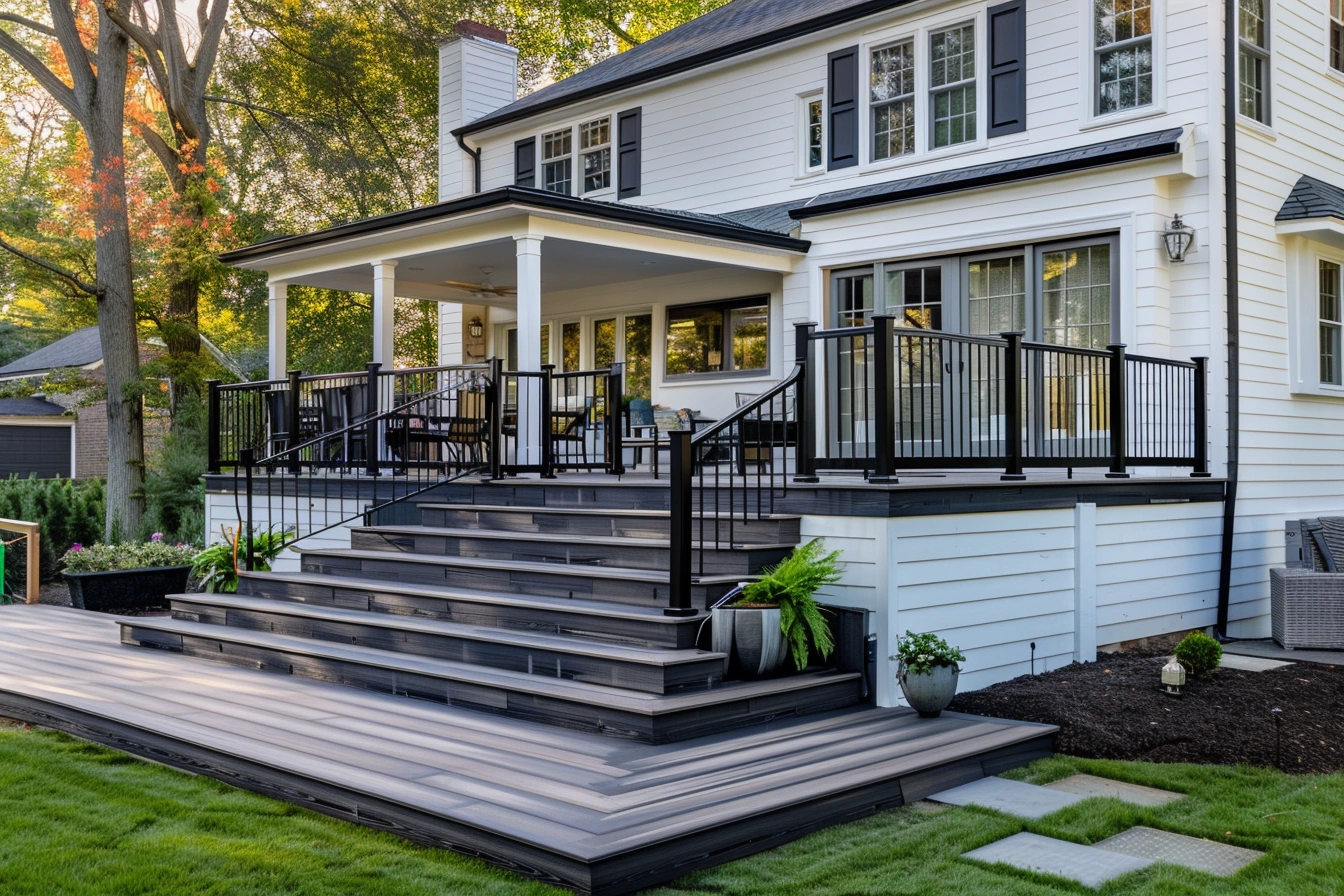
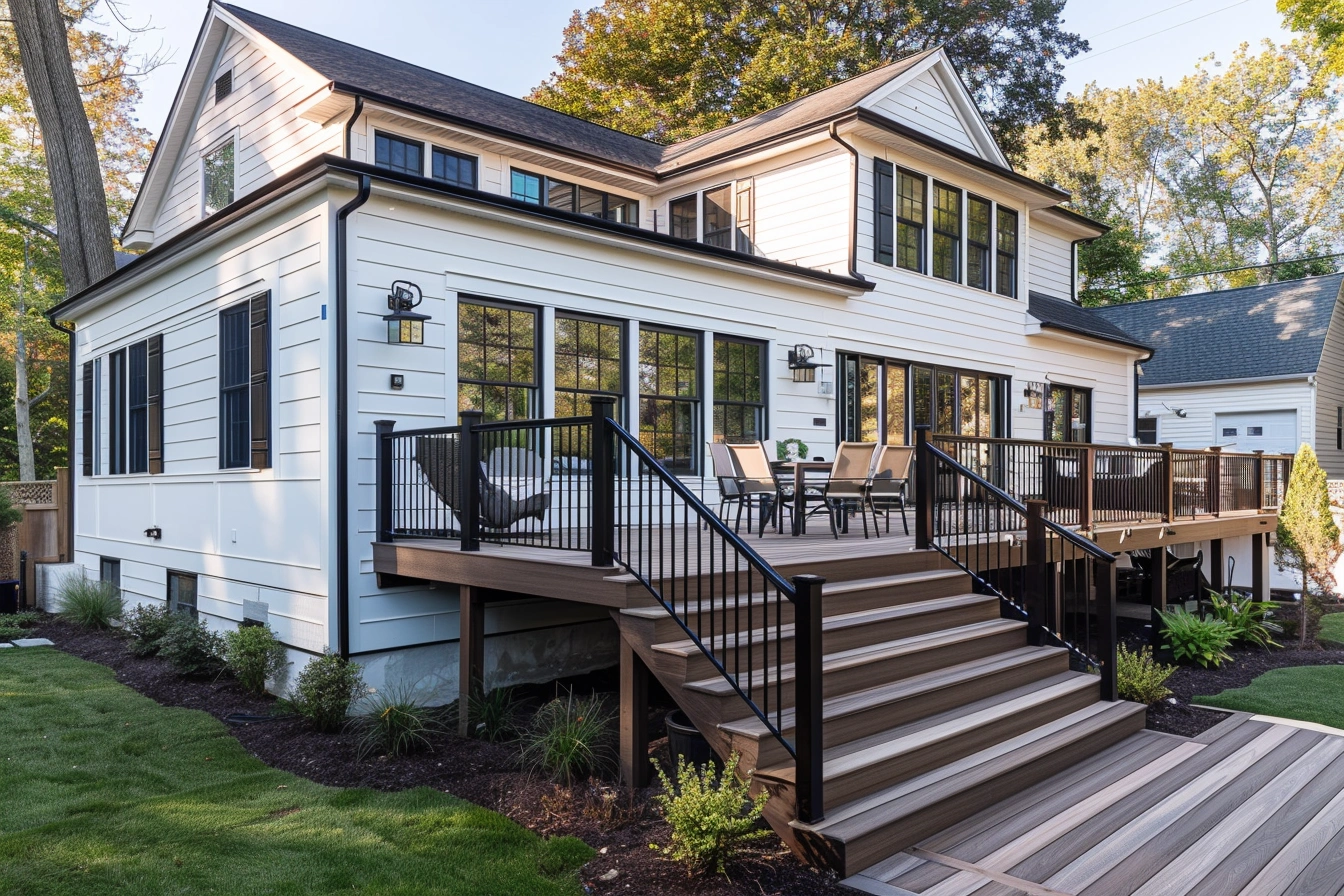
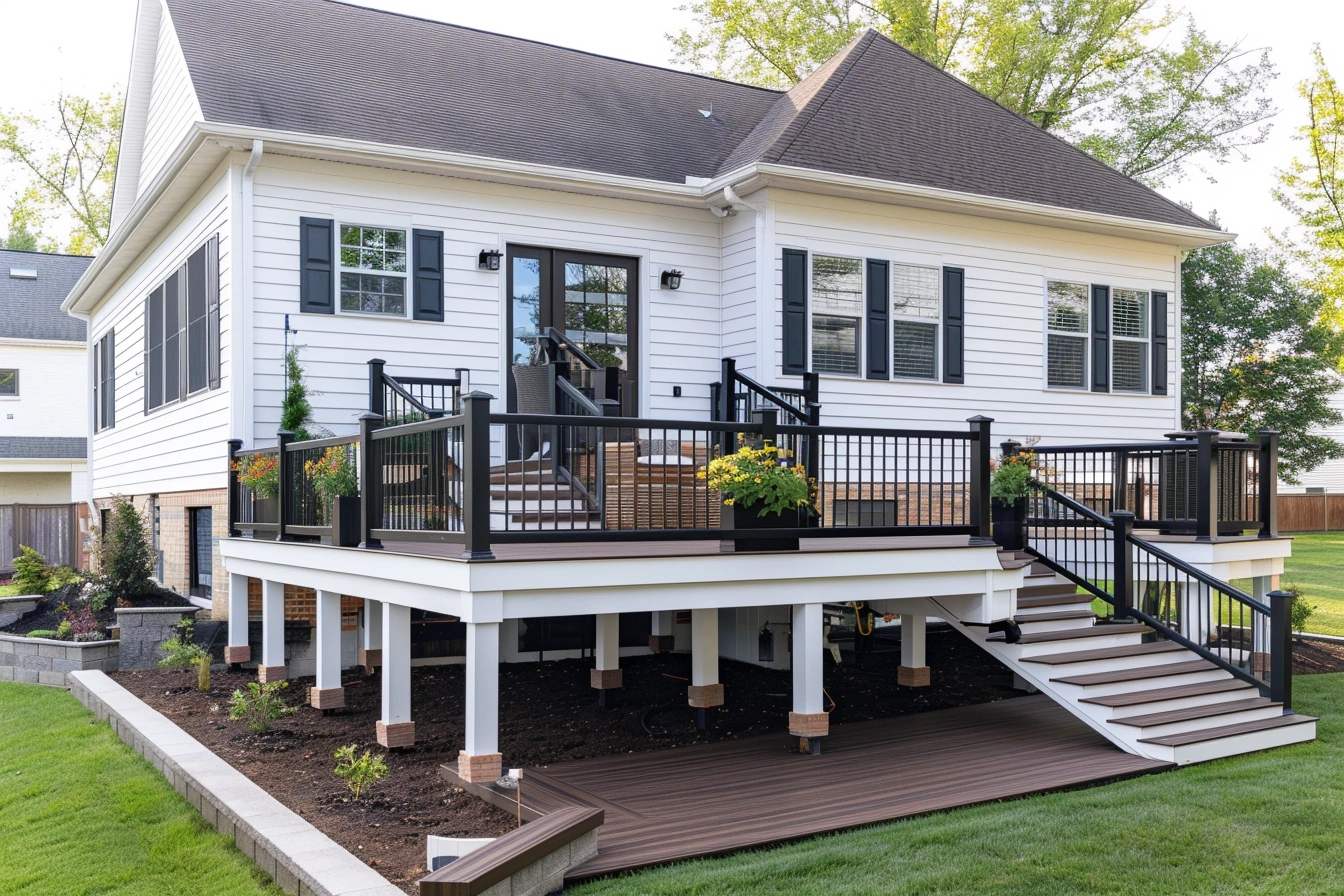
Check the swing in both directions. Look for steps, planting beds, utility equipment, and a deck stair at the proposed opening. If you are building a deck too, coordinate the fence gate with the deck stair and landing layout.
Understand stepped and sloped sections
On a grade, a stepped fence keeps each section level and changes height at the posts. This can create triangular gaps below panels. A racked or grade-following assembly follows the slope more closely, but the available angle depends on the specific product and construction method. Wood boards may allow more custom adjustment; a vinyl system must follow its manufacturer's approved installation details.
At the gate, record the ground elevation at both posts and across the full swing arc. A gate needs clearance when open as well as closed. The contractor can then explain whether to change the gate location, adjust the grade, or use a different bottom detail.
Gate posts carry different loads
Repeated opening puts leverage on the hinge post. The latch post also needs to stay aligned as the seasons change. A wide or heavy gate may call for a different post, footing, frame, or hardware arrangement from a typical fence panel. Ask the installer to specify these items instead of counting the gate as merely one missing section.
Check the boundary and local restrictions first
Locate the property line from reliable records or a survey when its position is uncertain. Check any applicable city, county, HOA, utility easement, and pool-barrier rules for the exact address before work begins; requirements can differ by property and use. Call the utility location service before digging. Our Nicholasville service-area page and Project Showcase provide local context, but they do not replace property-specific review.
A useful gate and slope estimate should show
- Measured fence runs, corners, grade changes, and intended height
- Each gate's clear opening, swing, latch, hinge, and post specification
- Stepped or grade-following treatment at each sloped run
- Existing-fence removal, access constraints, and disposal
- How gaps at the ground and drainage will be handled
Frequently asked questions
Can a vinyl privacy fence follow a hill?
Some systems allow a limited rack angle; others need stepped sections. The product instructions and the actual grade determine the layout.
Why does a gate cost more than a regular fence section?
It needs a frame, hinges, latch, reinforced support, careful alignment, and room to swing. Wide gates increase those demands.
Make the gate part of the plan
Share a sketch with fence runs, slope direction, gate locations, and the equipment that must fit through. Ask Yellowstone Renovation for a site measurement and a written scope. The article image is an illustration, not a completed-project photograph.