Full-Frame vs. Insert Replacement Windows in Lexington, KY
“Replacement window” can describe two very different installation approaches. An insert replacement keeps more of the existing window frame. A full-frame replacement removes the old unit back to the rough opening so the installer can address the opening, flashing and surrounding conditions more completely.
Neither method is automatically right for every Lexington home. The condition of the existing frame, exterior trim, siding, water management and desired glass area all matter. Start with our window services and use this guide to understand the questions worth asking during an estimate.
What is an insert replacement window?
An insert, sometimes called a pocket replacement, is installed within an existing frame that remains in place. It can reduce disturbance to surrounding finishes and may be a practical option when the existing frame is square, sound and dry.
Because the new unit fits inside the old frame, the opening can lose some visible glass area. More importantly, an insert does not expose every concealed part of the original opening. That is why the condition of the existing frame should be evaluated before choosing this method.
What is a full-frame replacement?
A full-frame replacement removes the existing window and frame so the rough opening can be inspected. This approach creates access for correcting damaged material and rebuilding flashing and water-management details as required by the selected window system and wall assembly.
Full-frame work is more invasive, but it is often the better conversation when old frames are deteriorated, openings have known leakage, or siding and exterior trim are also being replaced.
When an insert can make sense
An insert may be worth considering when the existing frame is structurally sound, there are no signs of chronic water intrusion, the opening is reasonably square, the homeowner wants to preserve surrounding finishes, and the selected replacement system is designed for the application.
The decision should be based on the actual opening rather than assuming every old window can accept an insert.
When full-frame replacement deserves a closer look
Consider discussing full-frame installation when you see soft or damaged frames, repeated leakage or staining, significant frame distortion, poorly executed older installations, planned siding replacement, or a desire to change the window style or opening details.
If siding work is planned too, read our guide to signs your siding may need replacement. Coordinating windows and siding can make it easier to sequence flashing, trim and cladding correctly.
Why flashing matters as much as the window brand
A high-quality window can still perform poorly if water is directed into the wall. The opening needs a drainage strategy that works with the home's weather-resistive barrier and exterior cladding. Head flashing, sill treatment, side integration and sealant all have specific jobs.
Ask the installer how the new window will integrate with the wall rather than only asking which brand is being installed.
What about energy efficiency?
Window performance depends on the complete unit, including glass package, frame, spacers, air leakage and installation. When comparing products, look at manufacturer performance information for the exact configuration being quoted rather than relying on a generic statement that one window is “energy efficient.”
Comfort improvements can also come from correcting air leakage around the opening during installation.
Questions to ask before signing a window proposal
Confirm whether the quote is insert or full-frame, what interior and exterior trim is included, how damaged substrate will be handled, what flashing method is planned, who handles disposal, whether screens are included, and which exact window series and glass package are specified.
If you are comparing Andersen or other window lines, the exact product series matters. Brand name alone does not define the entire specification.
Frequently asked questions
Is full-frame replacement always better?
No. It provides greater access to the opening, but a properly selected insert can be appropriate when the existing frame and water-management details are in good condition.
Can windows and siding be replaced together?
Yes. For many exterior-renovation projects, coordinating the scopes can simplify sequencing and detailing around the openings.
How do I know whether there is hidden damage?
Visible staining, soft material and repeated leaks are warning signs, but some conditions are concealed until trim or the old window is removed. Your contract should explain how unforeseen damage will be documented and priced.
Replacement windows in Lexington and Central Kentucky
Yellowstone Renovation works on windows, siding and other exterior improvements across Central Kentucky. Browse our Project Showcase and contact us for an estimate to compare replacement approaches for your home.
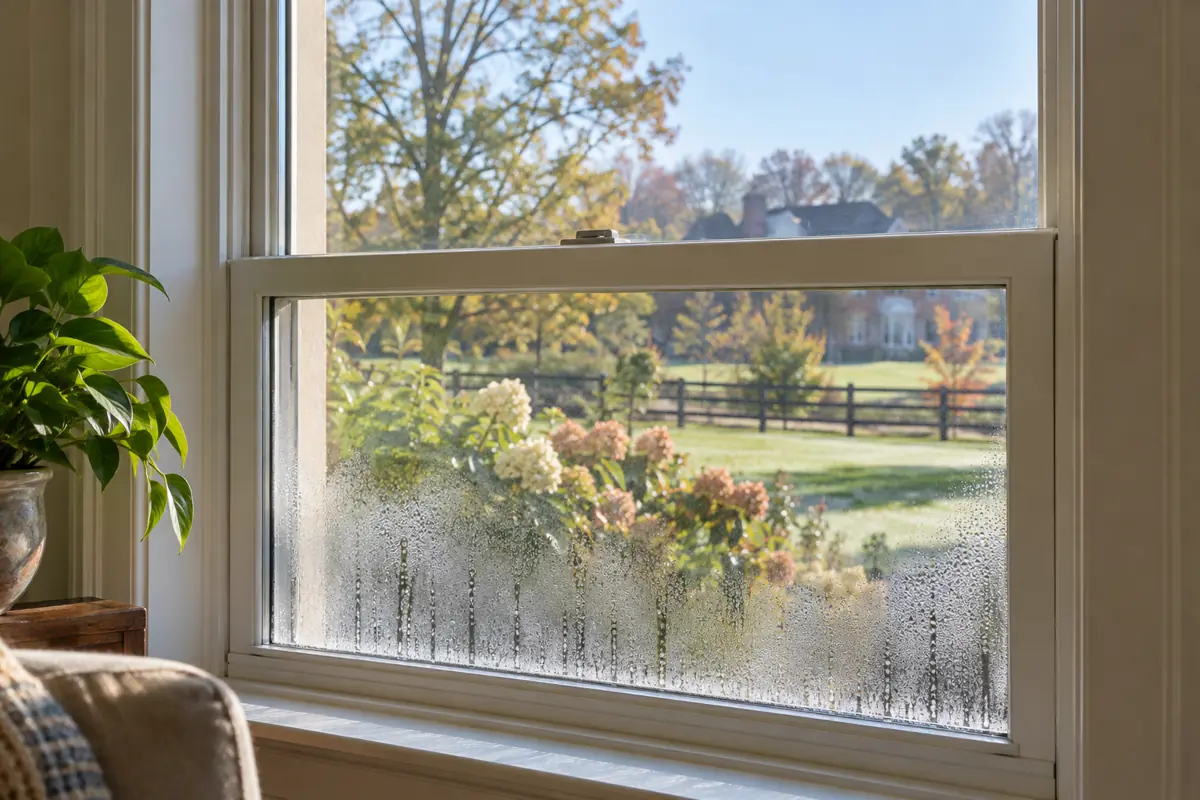
Before assuming a fogged window needs a full replacement, see our guide to where window condensation forms.
If you are deciding which openings should be addressed before colder weather, use our pre-winter window replacement checklist.