Vinyl vs Fiber Cement Siding — Which Lasts Longer?
When homeowners compare vinyl siding and fiber cement siding, the first question is simple: which one lasts longer?
After 35 years installing and repairing both, here’s the honest summary: fiber cement generally outlasts vinyl, but your best choice depends on climate, maintenance, and budget.
Quick Verdict
- Longest lifespan: Fiber cement (typically 40–50+ years with proper care)
- Lowest maintenance: Vinyl (typically 20–30 years, no painting required)
- Best appearance/value: Fiber cement (richer, wood-like look, boosts curb appeal)
- Lowest upfront cost: Vinyl (faster install, budget-friendly)
Durability & Lifespan
Fiber Cement: Built to resist rot, insects, and fire. In real projects I’ve revisited decades later, properly installed and painted boards still perform after 40–50 years.
Vinyl: Handles moisture well and won’t rot, but in harsh sun or big temperature swings it can fade, warp, or crack. Most homeowners see 20–30 years before a partial or full replacement.
Maintenance
- Vinyl: Rinse once or twice a year. No paint cycle.
- Fiber Cement: Expect a repaint every 10–15 years (quality primer/paint matters). Caulking and small touch-ups protect edges and joints.
If you want true set-and-forget care, vinyl wins. If you’ll commit to light upkeep for a longer service life, fiber cement is the durable pick.
Appearance & Home Value
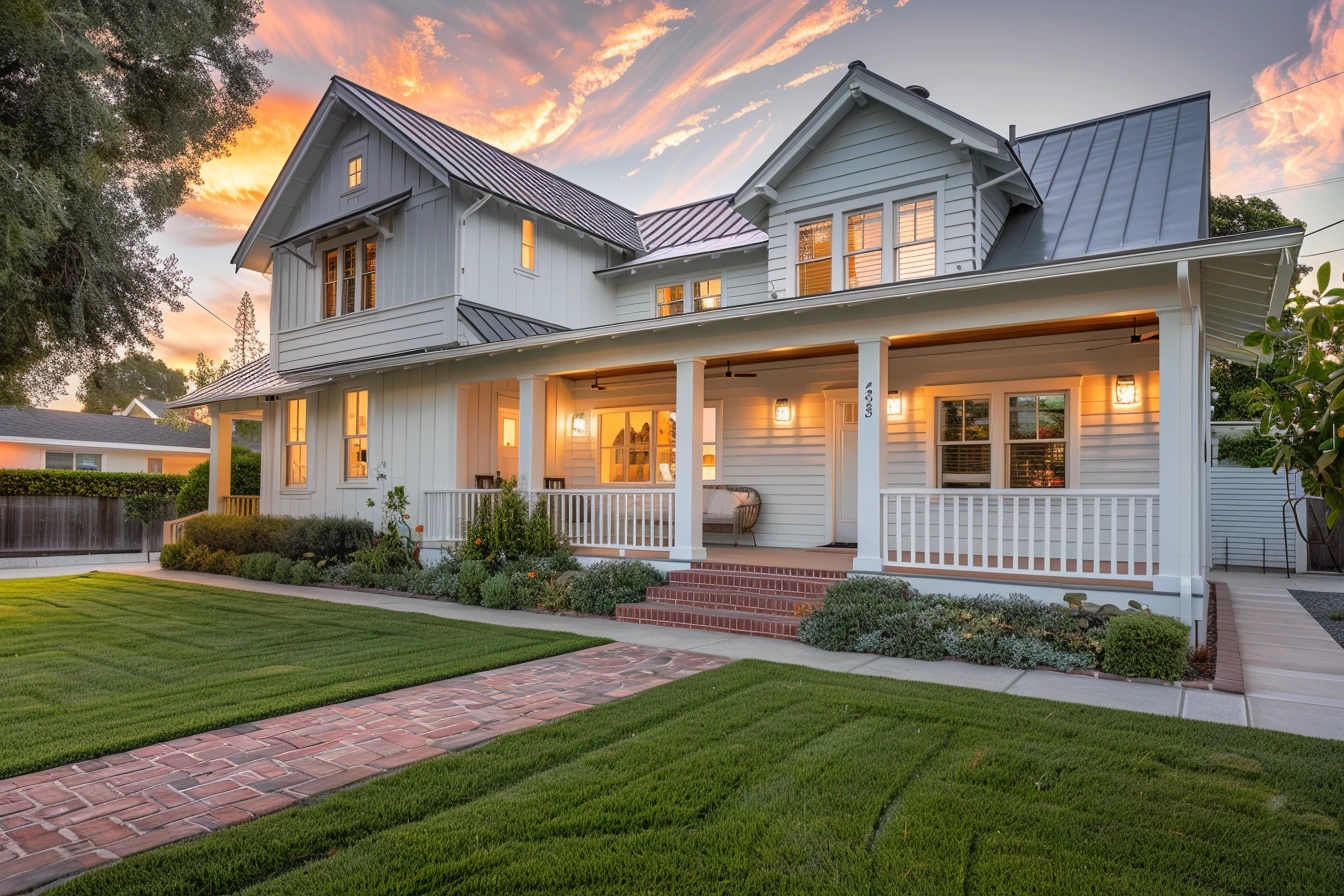
Fiber cement mimics real wood grain more convincingly and keeps a premium look at street distance. That usually helps resale value.
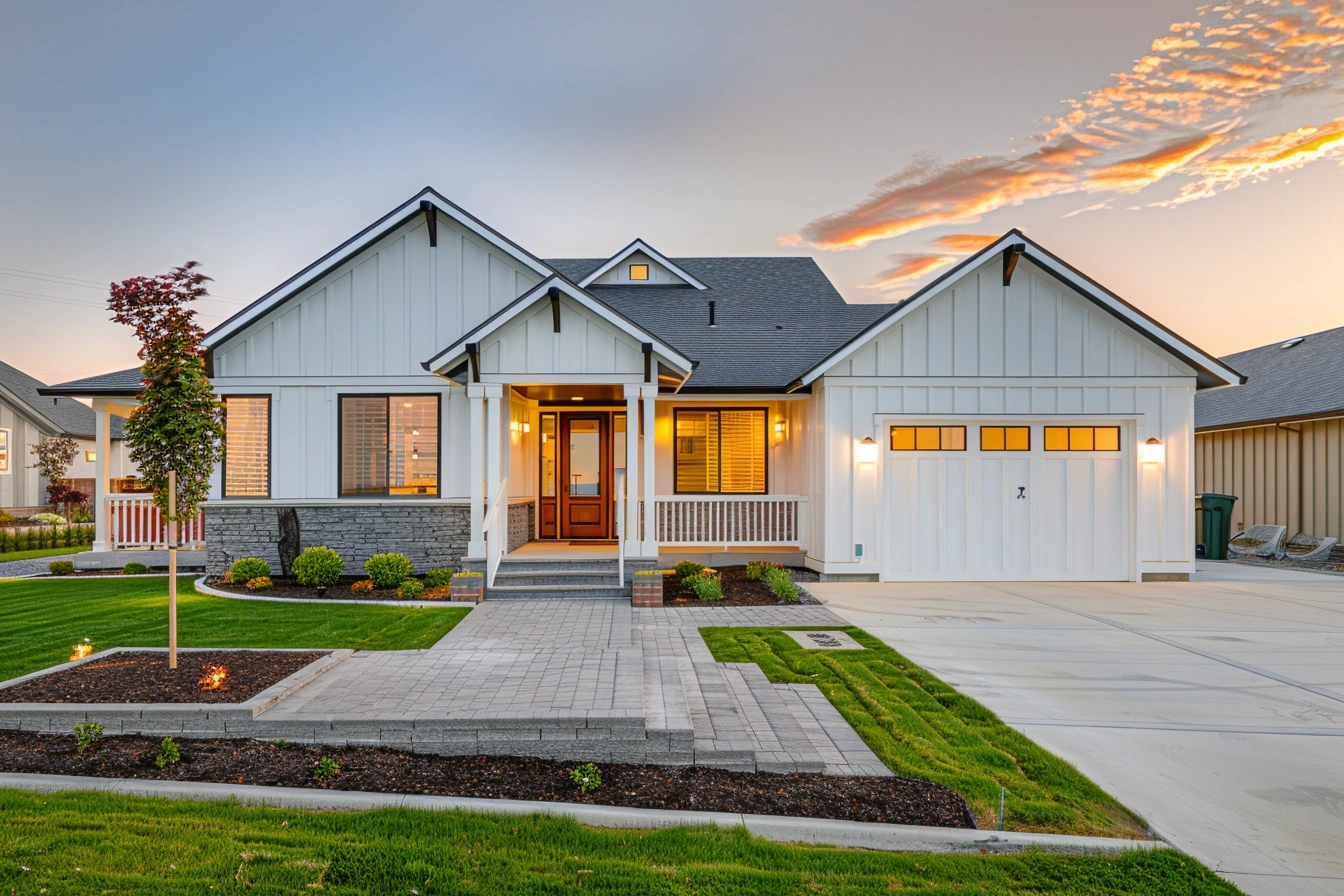
Vinyl comes in many colors and textures today, but up close it still appears more synthetic.
Cost vs Long-Term Value
| Category | Vinyl Siding | Fiber Cement Siding |
|---|---|---|
| Upfront Cost | Lower | Higher |
| Typical Lifespan | ~20–30 years | ~40–50+ years |
| Maintenance | Minimal (wash only) | Repaint 10–15 yrs; inspect caulk/flashings |
| Damage Resistance | Good vs moisture; weaker vs heat/impact | Excellent vs fire, insects, rot |
| Look/Value | Good | Premium, wood-like, value-boosting |
Over a 40-year horizon, fiber cement often costs less in total ownership due to fewer replacements and stronger resale impact—especially in sunny, stormy, or humid regions.
Climate & Installation Notes (What I Check On Every Job)
- Sun/Heat: Vinyl can soften; choose lighter colors and proper nailing/expansion gaps.
- Freeze–Thaw: Fiber cement’s stable; use correct clearances and flashings.
- Wind/Storms: Fiber cement holds firm when fastened to spec; vinyl needs correct locking and starter details.
- Moisture: Both need drainage plane, flashings, and vents. Poor water management ruins any siding.
Tip: Most “siding failures” I’m hired to fix are installation or flashing errors, not the product itself.
My Expert Recommendation
If you plan to stay long-term or want the highest curb appeal, choose fiber cement and maintain paint on schedule.
If your priority is lower upfront cost and very low maintenance, vinyl is a practical, proven option.
Ready to plan the exterior around your outdoor space?
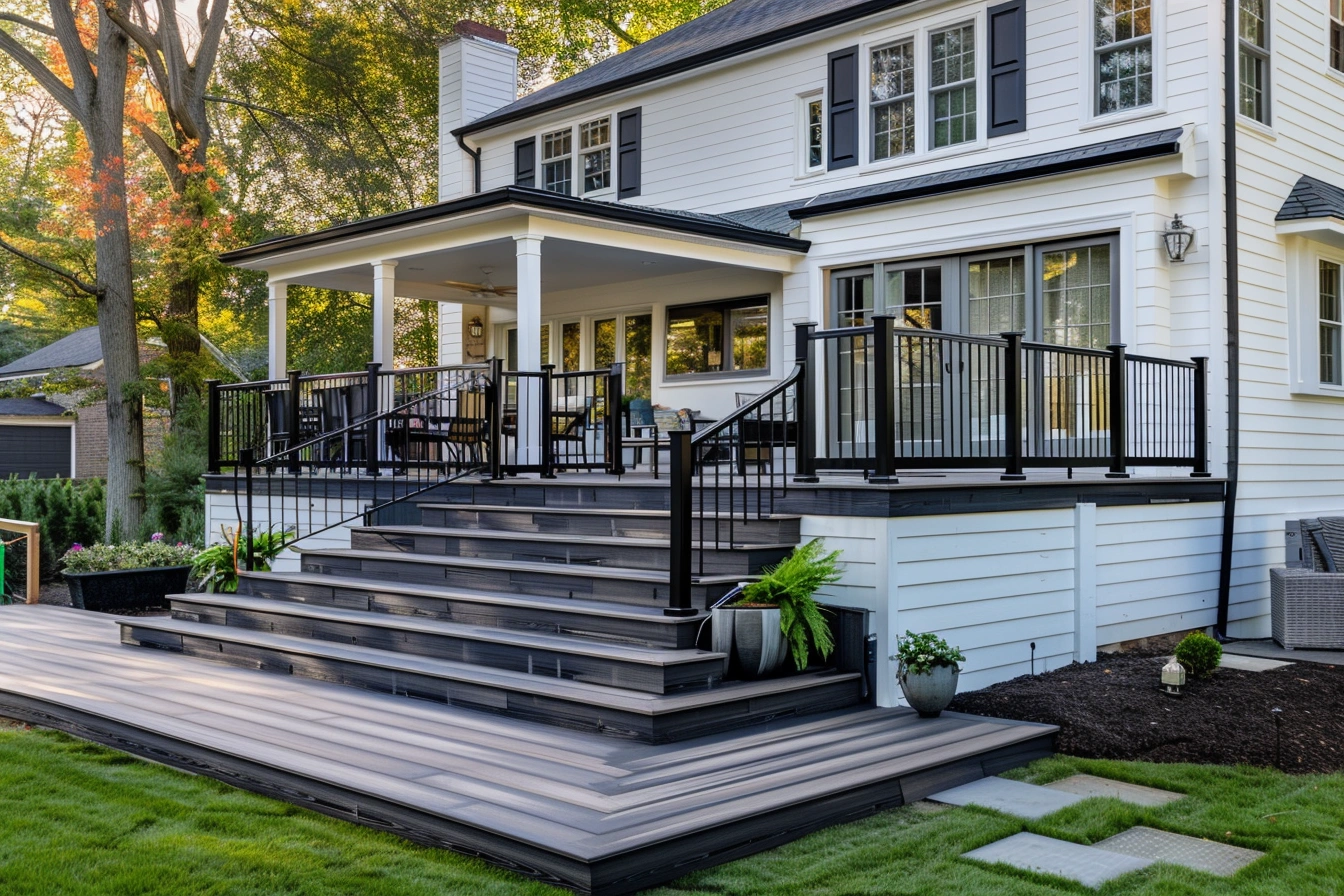
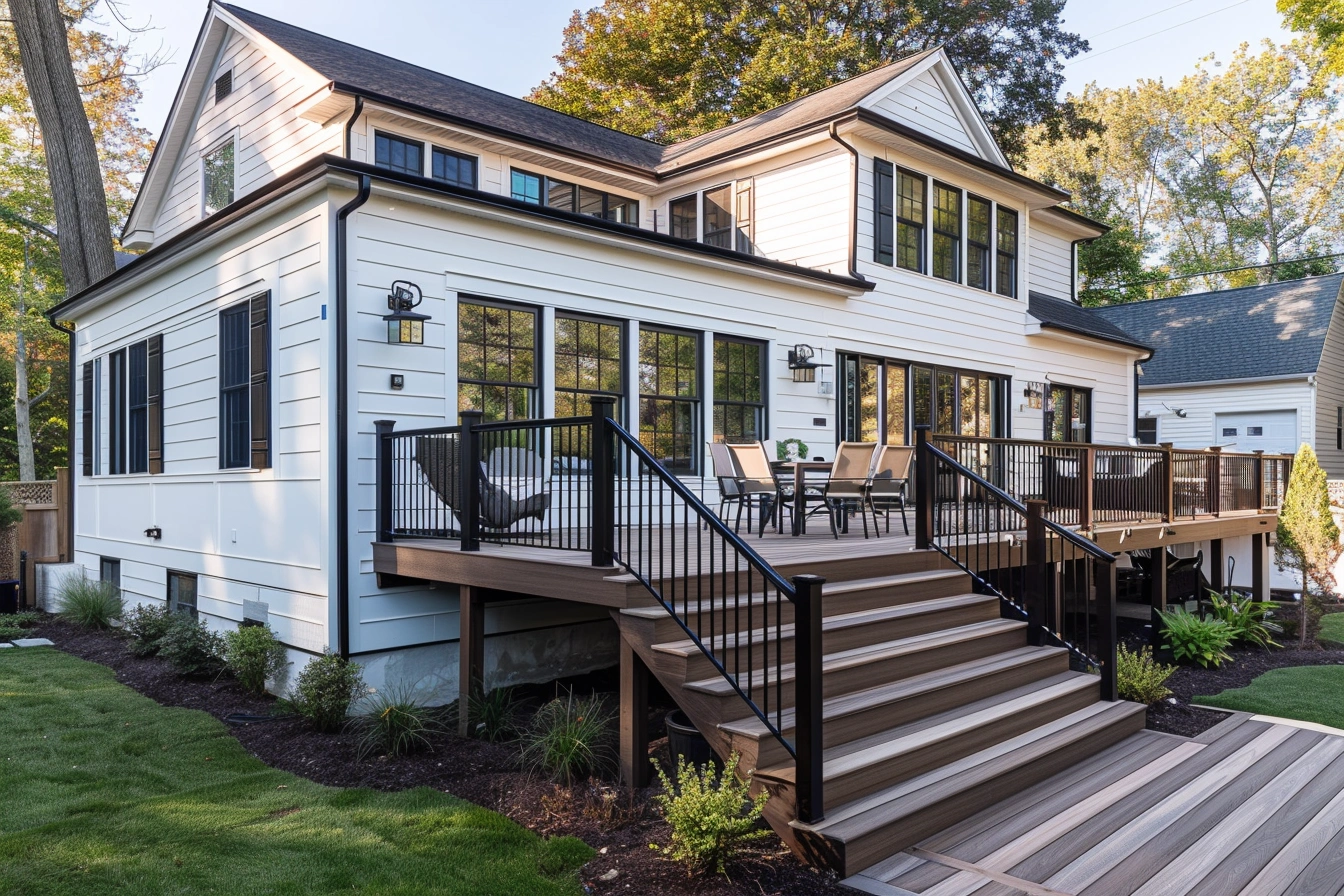
See how we integrate siding with functional outdoor living design on our Decking page and explore build options with a local deck builder.
FAQ
How often should fiber cement be painted?
With quality primer and topcoat, expect 10–15 years between repaints.
Can vinyl last 30+ years?
Yes—with proper installation, moderate climate, and routine rinsing. Intense sun or impact can shorten life.
Which adds more resale value?
In most markets I work in, fiber cement delivers a stronger ROI due to appearance and buyer perception.
What voids warranties most often?
Improper clearances, flashing, and nailing. Always follow the manufacturer’s install guide and local code.