A fall deck inspection in Lexington starts with the parts that keep people safe: the railing, stairs, framing, supports and connection to the house. Then check where water collects and where leaves hide damage. You can spot many warning signs in half an hour, but a visual checklist cannot confirm that an older deck is structurally sound. If a railing moves, a stair feels unstable, or framing is soft, keep people off that area and arrange a professional evaluation.
Central Kentucky's wet leaves and winter temperature changes make late September or October a useful time to check a deck before another season of moisture. This guide is for an existing deck, whether its walking surface is wood or composite. It does not replace an inspection by a qualified professional.
For a whole-house walk-around that also covers drainage, siding, fences, windows and doors, use the fall exterior home maintenance checklist for Central Kentucky.
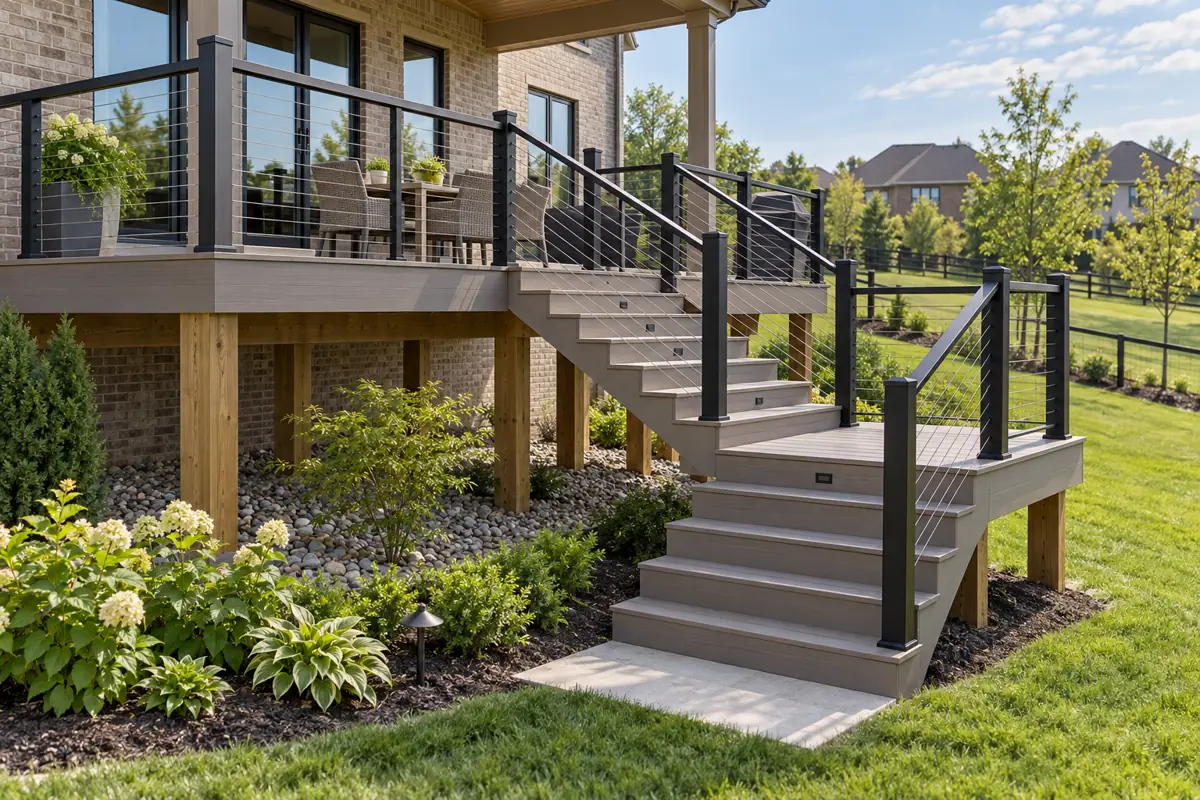
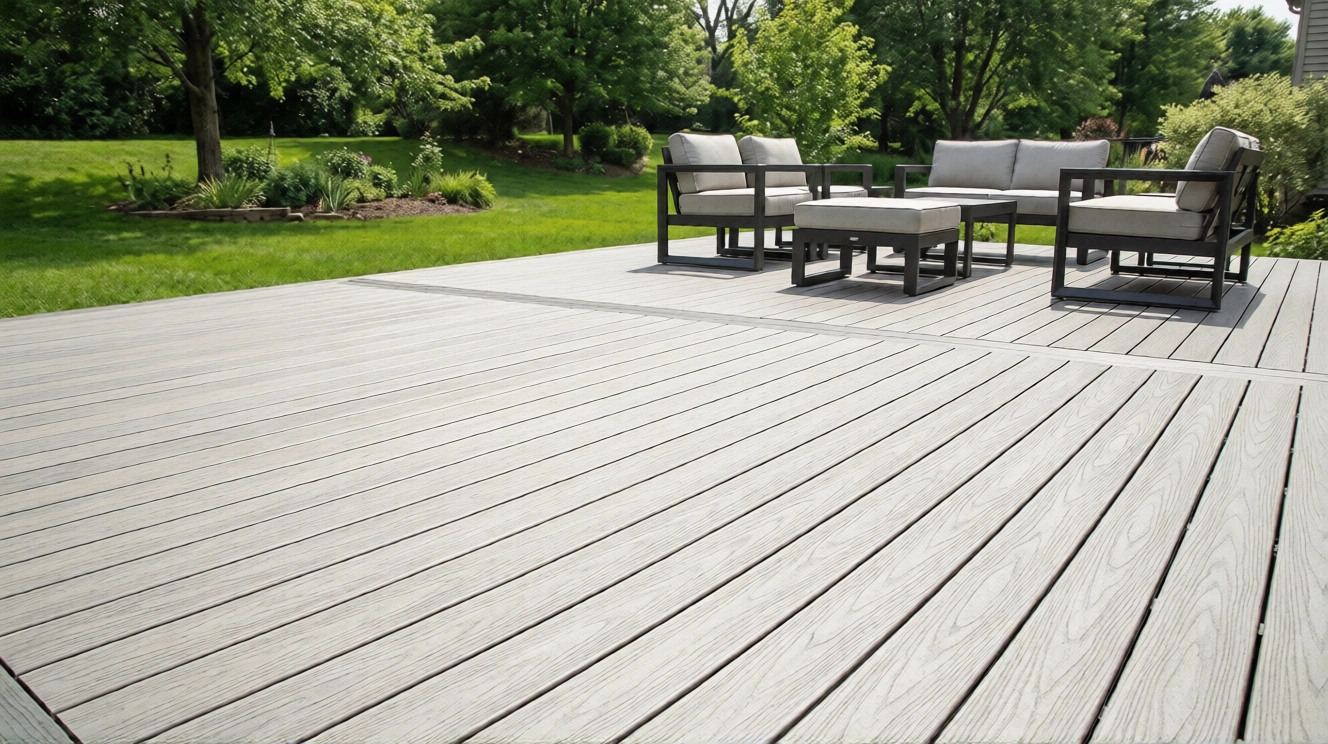
Published and last reviewed September 28, 2026 by Yellowstone Renovation. The cover image is an illustration, not a Yellowstone project photograph.
Quick fall deck inspection checklist
Walk the deck in daylight, then look underneath from the ground if you can do so safely. Bring a flashlight, take photos, and note the location of each concern. Do not remove boards, climb into an unsafe area, or put extra weight on a suspect section to “test” it.
| Check | Look for |
|---|---|
| Railing and guards | Movement, loose posts, cracked rails, missing or corroded fasteners |
| Stairs and landing | Uneven or loose treads, movement at the top connection, slippery or settled landing |
| Decking surface | Soft spots, raised boards, protruding fasteners, slippery algae or leaf buildup |
| Ledger at the house | Gaps, staining, trapped water, damaged siding or visible fastener problems |
| Framing and posts | Soft wood, splitting, sagging, loose connectors, decay near the ground |
| Drainage | Clogged board gaps, standing water, soil or mulch piled against wood |
The North American Deck and Railing Association's deck evaluation guide also recommends regular inspection of an existing deck. Use its professional checklist as a reference for what a thorough evaluation may cover.
Start with the railing, stairs and walking surface
A sound railing should feel solid during normal use. Watch especially for movement where a guard post meets the deck frame; tightening a decorative rail cap will not repair a weak structural connection. Check that stair handrails are secure and that treads do not shift under ordinary foot traffic. If a stair or guard is visibly loose, restrict access until it is evaluated.
On the walking surface, look for raised fasteners, cracked or cupped boards, soft spots and areas that stay wet after surrounding boards dry. Wet leaves can make even a sound deck slippery, so clear them gently before inspecting. Composite decking can avoid some surface decay, but it does not eliminate the need to inspect the wood framing and connections below. For routine surface care, see our deck maintenance guide.
Look underneath: posts, beams, joists and connectors
From a safe position on the ground, trace how the deck's load reaches the ground: joists bear on beams, beams bear on posts, and posts bear on footings. You do not need to diagnose the engineering to notice a beam that has sagged, a post that has shifted, a connector pulling away or wood that looks crushed or soft.
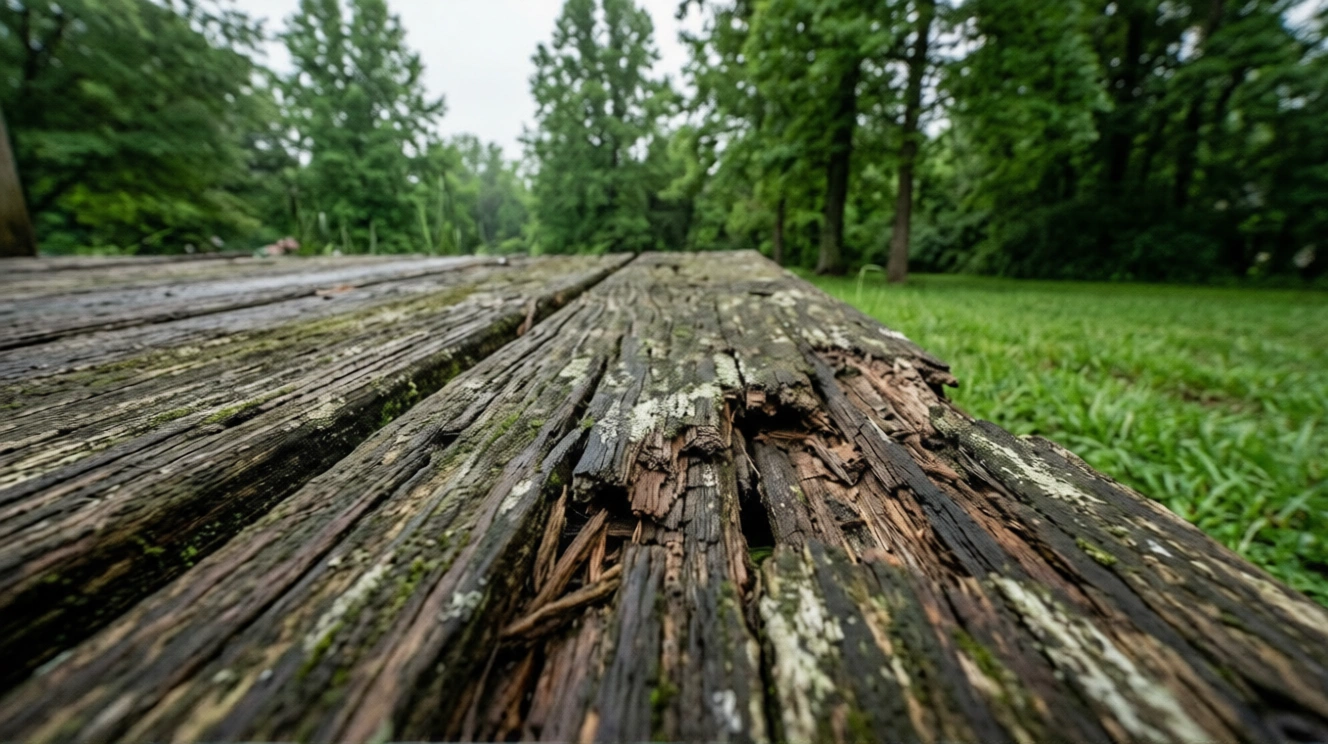
Pay particular attention to post bases and other spots where wood stays damp. Soil, mulch and leaves against wood can conceal deterioration. Dark color alone is not proof of rot; softness, crumbling fibers or visible loss of material deserve a closer professional look. Our article on why Kentucky decks rot explains the moisture pathways in more detail.
If the underside is inaccessible, photograph what you can see. An inspection should identify what remains hidden instead of guessing that it is sound.
Check the deck-to-house connection and water path
On an attached deck, the ledger area is a high-priority inspection point. Look for a gap between deck and house, water stains below the connection, damaged cladding, soft trim or evidence that water runs behind the deck rather than away from the wall. Flashing should direct water outward; surface caulk by itself is not a substitute for a properly detailed assembly.
The International Code Council's discussion of deck connections recommends professional evaluation of an existing ledger connection, especially on elevated decks. A homeowner often cannot see the fasteners, wall framing or flashing well enough to judge them. If you see movement or water damage at the house, stop using the deck until the connection is assessed. Read our ledger flashing guide for questions to ask during a repair or rebuild.
Clear fall debris without hiding a problem
Sweep leaves from the surface and between boards, and clear the area around stairs and post bases. Check whether downspouts discharge onto the deck or soil near its supports. Remove debris before it holds moisture against trim or framing, but do not cover a soft spot with a rug or coat of stain. Cleaning is useful maintenance; it is not a structural repair.
Take a photo before and after cleaning if you find staining, dampness or a suspicious joint. That record helps a contractor see whether the condition is isolated or recurring. When scheduling repairs, explain where water appears after rain, not just what the deck looks like on a dry day.
When should you call a deck professional?
Arrange a professional evaluation when you notice movement, sagging, soft structural wood, damaged connections, or water intrusion at the house. Also seek an evaluation before resurfacing an older deck: new boards should not be installed over framing whose condition is unknown. A contractor may need to expose a small area to verify concealed conditions, then separate the scope for repair from the scope for a full replacement.
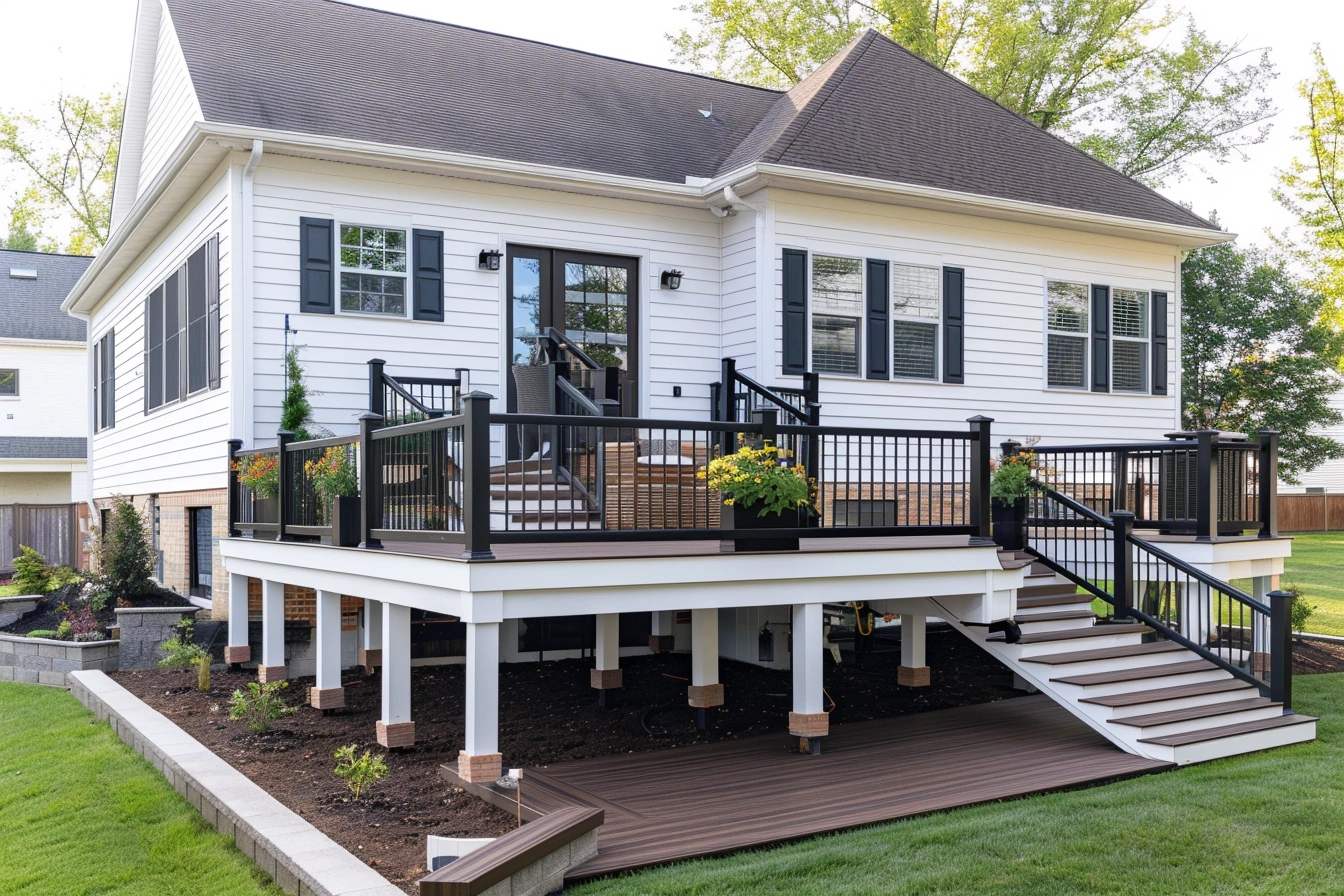
For Lexington homeowners considering a rebuild, Yellowstone Renovation's decking services and Lexington deck builder page show the next step. You can browse the Project Showcase and a completed composite deck in Frankfort for examples of our work. The example project is for design reference, not an inspection case study.
Fall deck inspection FAQs
Is a fall visual check enough to declare my deck safe?
No. It can reveal warning signs, but concealed fasteners, flashing, footings and framing may need a professional inspection. Treat a clean-looking surface as one observation, not a structural certificate.
Should I stain a deck with dark spots before winter?
First identify the cause. Dirt or surface mildew may be cleanable; persistent dampness or soft wood calls for investigation. Stain can improve weather protection on suitable wood, but it will not repair decay or a failed connection.
Does a composite deck need a fall inspection?
Yes. Check its railings, stairs, framing, ledger and drainage just as you would on a wood deck. The surface material does not make the support system maintenance-free.
Need a deck assessment or replacement estimate?
If your checklist uncovered a concern, send Yellowstone Renovation clear photos and a description of what moves, feels soft or stays wet. Request a deck estimate for a Lexington or Central Kentucky home; we can review the visible condition on site and explain whether further investigation is needed before pricing a repair or replacement.